


Chemical Controversies

Neonicotinoid insecticides probably not driving monarch butterfly declines, study finds
The long-term decline of monarch butterflies has been attributed to loss of their milkweed (Asclepias sp.) host-plants after the introduction ...

Pesticide hypocrisy? EU edges toward banning glyphosate after finding it safe but clears organic copper sulfate after finding it a ‘public health and environment concern’
Of all the elements the EU considers in ag regulations, science gets the shortest shrift ...

Mexico’s anti-glyphosate environment minister steps down after losing battle to ban weedkiller
Bosco de la Vega Valladolid, president of the National Agricultural Council (CNA), celebrated the departure of Víctor Manuel Toledo Manzur ...

Pesticide-free crop protection yields sizable economic benefits in Asia-Pacific
Scientists have estimated for the first time how nature-based solutions for agricultural pest control deliver US$14.6 to US$19.5 billion annually ...
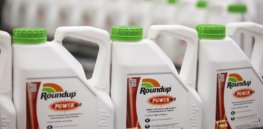
Bayer appeals $20.5 million glyphosate-cancer verdict to California Supreme Court
Bayer AG has asked California’s Supreme Court to review a decision awarding $20.5 million to a groundskeeper who claimed the ...

Podcast: ‘Clean’ wine isn’t so clean; FDA blocks hemophilia gene therapy; Universal flu vaccine?
Actress Cameron Diaz and fashion entrepreneur Katherine Power are marketing a new brand of "clean" wine using long-debunked claims about ...

Monarch butterflies avoid pesticide-treated milkweed to limit chemical exposure
Hundreds of recent studies have voiced concern over the negative impacts of non‐target pesticides on pollinator health. However, pesticide loads ...

Viewpoint: Federal court banned dicamba weedkiller at worst possible time for farmers
As a farmer whose family has raised soybeans, corn, and pumpkins for the last 50 years, I know first-hand how ...

Socialist EU Parliament member urges regulators to block neonicotinoid pesticide use in France
French Socialist MEP Eric Andrieu says he has written to the European Commission to ask for the suspension of a ...

Judge fears Bayer ‘manipulated’ $11 billion glyphosate settlement, opening door to more cancer trials
U.S. District Judge Vince Chhabria said during a hearing [August 27] he’s concerned Bayer has “manipulated” the [$11 billion] settlement ...
Study challenges prior research blaming decline of monarch butterflies on deaths during annual migration
A new study suggests that extensive agricultural use of glyphosate herbicide is to blame for the decades-long decline in North ...

Podcast: Deadly chemicals everywhere? Stem cell tourism kills; Natural pet food is a scam
A pair of high-profile studies alleges that the health impact of endocrine-disrupting chemicals has doubled in five years. Should you ...

Viewpoint: Cameron Diaz, Katherine Power promote ‘clean wine’ with organic farming myths
In the wake of the natural wine movement and the age of ‘wellness’, it was just a matter of time ...

Viewpoint: When politics and emotion dictate pesticide safety rules, farmers lose
What happens when science is overwhelmed by politics, rhetoric, emotions, and the vessels now used to perpetuate it — social ...

Viewpoint: Farm to Fork failure—How Europe’s ‘obsession’ with organics undermines the global sustainable farming movement
Europe’s quest to confront climate change and achieve carbon neutrality is being undermined by “Big Ag”? That’s not my claim. It’s the ...

Viewpoint: Synthetic pesticides are the solution to East Africa’s famine-causing locust swarms
For months, billions of these pests have migrated from remote deserts into populated regions of East Africa and into Asia, ...

Neonicotinoid insecticide ban, drought could cut French sugar beet yields 30-50 percent, USDA finds
France is the largest producer of sugar beets in Europe growing just over 30 percent of EU27+UK's production in ...

Viewpoint: Germany’s pesticide use drops for 8th straight year, but anti-GMO groups say that’s not good enough
German Federal Ministry of Food and Agriculture data show that use of crop protection products, e.g. pesticides, went down last ...
EU blocks Austria’s planned glyphosate ban, rejecting claim that weedkiller harms human health
The European Commission has blocked Austria from implementing a planned ban on the controversial weedkiller glyphosate, a document seen by ...

Viewpoint: ‘Bird apocalypse’? Study wrongly blames neonicotinoid pesticides for declining bird biodiversity
Though periodic deaths of bees continue to happen, and have been documented for as long as records of bees have ...

Federal court upholds dicamba weedkiller ban, opening door to possible Supreme Court challenge
On [August 17], three dicamba registrants lost one of their last remaining legal options to overturn a federal court's mandate ...

Viewpoint: Europe can’t produce enough food if it cuts use of farm chemicals but opposes gene editing
Europe is asking its farmers to use fewer pesticides and less fertilizer, while still producing the same amount of food ...
Following ‘ministerial spat’ over glyphosate, Mexico will phase out weedkiller by end of 2024
Mexico will gradually phase out use of the herbicide glyphosate by the time the current administration ends in late 2024, ...

Viewpoint: GMOs a ‘corporate plot’ to control the food supply, and 9 other biotech myths, debunked
GMO stands for “genetically modified organism.” It most commonly refers to organisms—often plants—that have been modified to achieve desired traits, ...
Viewpoint: Europe must abandon ‘fear of progress’ to defeat anti-science chemophobia
A site like European Scientist has one hope: that the 2020s will be the decade of renewal for European scientific ...

Did Monsanto wrongly sue this farmer for accidentally growing patented GMO canola?
Often, the first thing I hear is “isn’t that the case where someone got sued because seed blew onto his ...

France poised to lift neonicotinoid insecticide ban to save pest-ravaged sugar beet industry
The French government is planning to lift a blanket ban on the use of neonicotinoids to help save its sugar ...
