


Food & Ag Features
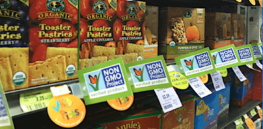
Viewpoint: Why the Non-GMO Project label is little more than a marketing tool that deceives consumers
The presence of a Non-GMO Project seal of approval doesn't really tell consumers anything about their food ...
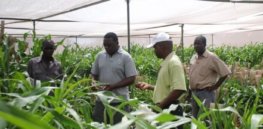
Following approval of GMO crops, Nigeria sets sights on other biotech advances, including gene editing and synthetic biology
Africa's most populous nation has achieved significant strides in biotechnology ...

Podcast: Food 5.0—GMOs, robots and the future of farming with agronomist Robert Saik
The high efficiency of modern agriculture has a downside: most consumers don't know the first thing about farming ...
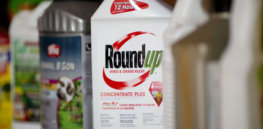
Viewpoint: Pouring greed on an ethical fire—Questionable ‘litigation finance’ scam funds glyphosate-cancer lawsuit mill
Greed is being poured on an ethical fire ...

‘GMOs are banned in Europe’ and 3 other popular biotech crop myths busted
“What do you wish people knew about GMOs that would completely surprise them?" ...

Viewpoint: Why GMO crops are planet’s best hope for sustainability
Future crops will need to withstand conditions like climate change, low water availability, rising soil salinity, and attacks by pathogens ...

How the quest to bake a better banana bread helps us understand GMOs
A simple analogy can help explain how genetic modification works ...

Why efforts to contain Ebola through experimental vaccines could change Uganda’s opposition to GMO crops
Uganda appears to be in a stalemate over genetically-engineered crops. Could Ebola change that? ...

The ‘magic mix’ of ingredients responsible for the Impossible Burger’s taste and texture
The actual science behind the Impossible Burger is fascinating ...
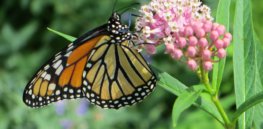
Milkweed: Mother’s milk for monarch butterflies, but yield-robbing weed for farmers
Can we encourage a resurgence in butterfly-friendly milkweed populations without making farming even more challenging? ...

Podcast: Glyphosate, cancer and ‘corporate conspiracies’–“Regulatory capture” by anti-science activists in the Roundup controversy
Our useful threat-detection instinct has been warped into a serious handicap as we attempt to evaluate risks to our health ...
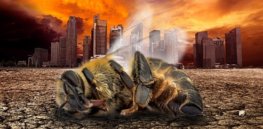
The world faces ‘pollinator collapse’? How environmental advocates and the media get the science about the ‘bee-apocalypse’ wrong time and again
With neither the facts nor the science on their side, environmental advocacy groups are simply pounding the table ...

Viewpoint: Non-GMO, organic, gluten free? Demystifying misleading food labels
Take a look at our label guide to know when a label is meaningful and when you’re just throwing away ...

Quest to reduce greenhouse gases needs modern farming techniques, including use of GMOs, not organics, research shows
Modern farming has "uncoupled" itself from greenhouse gas output -- using new technologies, including genetic engineering, to boost crop yields ...

Viewpoint: There will be no crop biotech revolution unless scientists, consumers learn to talk to each other
It is imperative that scientists bridge the gap and enable an open, global dialogue so that all are informed ...

Viewpoint: Organic farmer’s New York Times opinion piece perpetuates ‘fantasy’ of small growers feeding the world
Barber’s perspective on GM and patented seeds follow the party line of the organic industry ...
EPA weighs in on sulfoxaflor: Genetic Literacy Project Q&A on controversial decision to lift restrictions on alleged ‘bee-killing’ pesticide
The FDA replied to our questions with a detailed defense of its decision to lift restrictions on sulfoxaflor ...

90% of Europeans fear biotech crops? New survey busts the popular anti-GMO myth
A special Eurobarometer survey report on food safety was published [in June]. It shows once again that the regularly promoted ...

Viewpoint: Why CRISPR-edited crops should be allowed in organic agriculture
A University of California, Berkeley professor stands at the front of the room, delivering her invited talk about the potential ...
The rise, fall and resurrection of Russian seed bank pioneer Nikolai Vavilov
Would all this be cast aside, he wondered, his reputation disgraced? Or would the good work be rediscovered, like the ...

What’s the most sustainable, affordable and nutritious sugar: Boutique imported unrefined whole cane v. domestic sugar cane v. sugar beet?
A drive toward The Everglades down US 98 between Yeehaw Junction and Belle Glade, FL takes you around the east ...
Environmental media, advocacy groups in uproar after EPA grants long-term approval for alleged ‘bee-killing’ pesticide sulfoxaflor. Here’s what the science says
This discussion needs to shift from politics to science and the law ...

Viewpoint: How the ‘Food Justice’ movement reinforces inequality while doing little to improve health outcomes
It’s not clear what concept of justice this activism actually serves ...
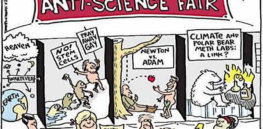
(Practically) no one is anti-science, and how that can help us talk about GMOs
Keith Kloor, science blogger at Discover, has sparked an intriguing debate about the use of the term "anti-science" to describe ...
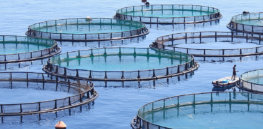
How market forces, self-regulation and GMO crops are making fish farming more sustainable
More sustainable aquaculture and better-managed fisheries are increasingly actionable for consumers ...
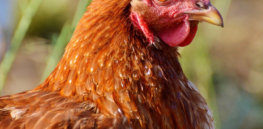
Explaining the debate over GMOs—and what is or isn’t ‘natural’— through the genetics of chickens
Chickens (and their eggs) provide a surprisingly down-to-earth illustration of the profound implications of the modern genetic revolution ...

Twist upon twist in glyphosate battle: Next generation safer biopesticides on the way thanks in part to anti-chemical activists—who may yet oppose them
Will growers be forced to turn to less effective, more harmful solutions? ...
