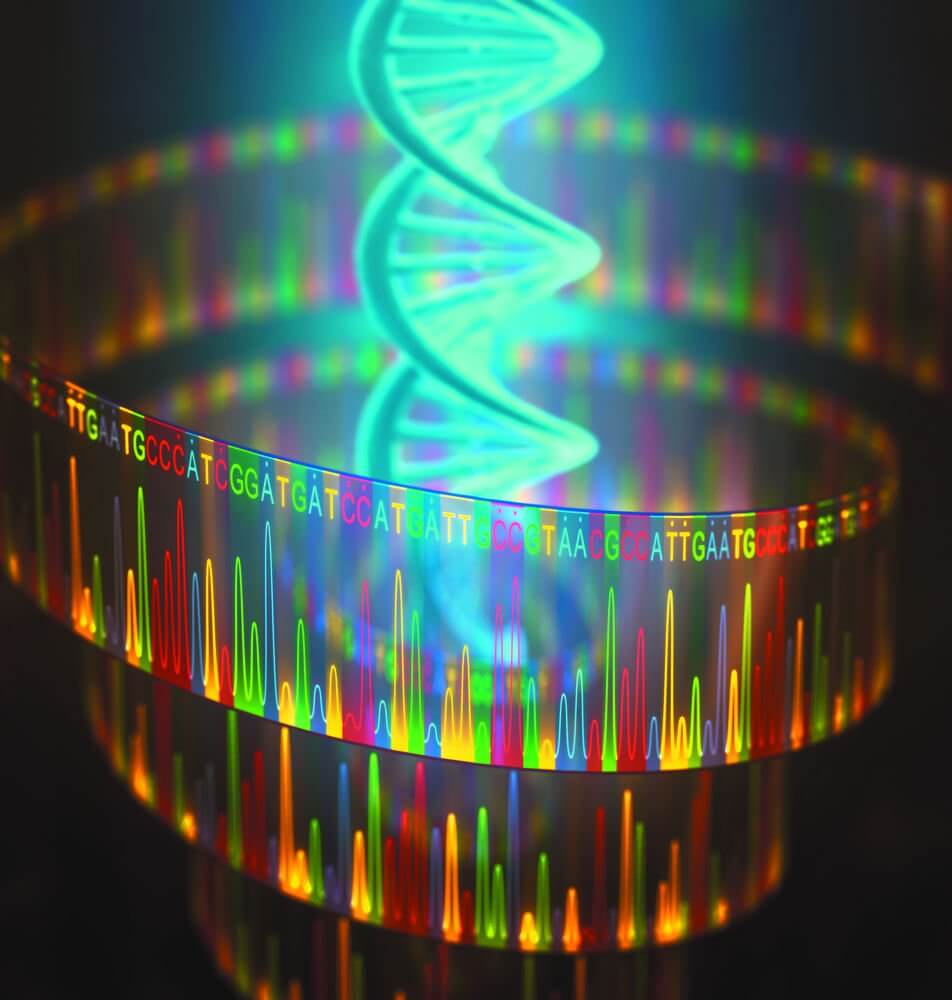
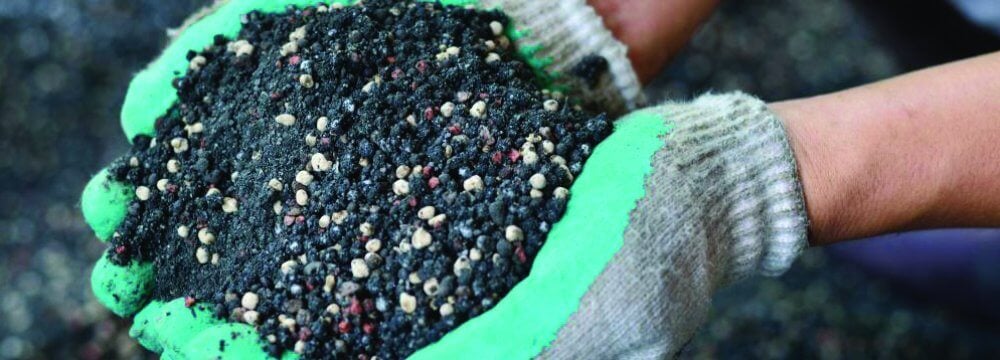
In the midst of a trade war with the United States, Chinese President Xi Jinping keeps repeating that China is capable of achieving technological supremacy alone. There is, however, one area where the country does not seem eager to go beyond America: that of genetically modified crops. Formerly a pioneer in this field, China is today lagging because of the hostility of its population. The use of GMOs is restricted to non-food crops. After years of hesitation, the five-year plan published in 2016 has predicted the marketing of certain transgenic maize and soybean varieties by the end of the decade.
But public opinion is very reluctant. According to the journal Nature, 45% of Chinese are opposed to GMOs. Nearly one in seven believes that GMO technology is “a bioterrorism targeting China.” With the fear that foreigners, especially Americans, will benefit from their mastery of this technology to control Chinese food resources.
…
According to James Chen, head of Beijing firm Origin Agritech, hostility from public opinion could hamper [the company’s] plans …. “When we saw the government’s renewed interest in GMOs, we thought we would win the jackpot,” he says. But reluctance remains.
[Editor’s note: This article was originally published in French. This English summary was prepared with Google Translate and edited for clarity.]
The phrase “Conflict of Interest” [COI] is thrown around a lot these days by environmental activists and journalists, mostly to sully the reputations of scientists and cast doubt on the quality of their research. But is this a fair use of COI—or an ideological misuse of the concept designed to achieve political goals?
Dr. Chris MacDonald is an expert on COI, disclosure and transparency at Ryerson University. Listen in as Kevin Folta and Chris MacDonald discuss what a conflict of interest actually is, how to avoid it, and how to operate in a politically charged climate where the phrase is so frequently misapplied.
Spots are common in the animal kingdom. Birds, insects, reptiles, fishes, and of course mammals sport spots.
In Darwinian terms, a trait persists because it provides a benefit that leads to reproductive success – the essence of natural selection. The benefit isn’t always obvious to us. Two years ago DNA Science covered the case of an anteater’s scales – genome sequencing revealed that what looks to us like armor actually provides an immune response to skin infections.
Rudyard Kipling’s (1865-1936) Just-So Stories famously explained “how the leopard got its spots,” “how the camel got his hump,” and “how the rhinoceros got his skin.” The ideas of Kipling, a journalist, writer, poet, and novelist, seem superficially to echo those of Darwin and Lamarck in pondering evolutionary advantages of inheriting traits distinctive for a species, but diverge in attributing a purpose and goal to changes driven by natural selection. Biology doesn’t work that way.
This giraffe youngster sports the large spots that aid survival. Image credit: Derek Lee, Wild Nature Institute/Penn State
Now joining the list of the leopard’s spots, camel’s hump, rhinoceros’ skin and pangolin’s scales is the giraffe’s markings. The new report, “Seeing spots: quantifying mother-offspring similarity and assessing fitness consequences of coat pattern traits in a wild population of giraffes,” published in the journal Peerj, uses image analysis and statistics to fashion “a new quantitative lexicon for describing spots.” It’ll remain to others to sequence more giraffe genomes to figure out whether the animal is of a single species with nine subspecies, or four species.
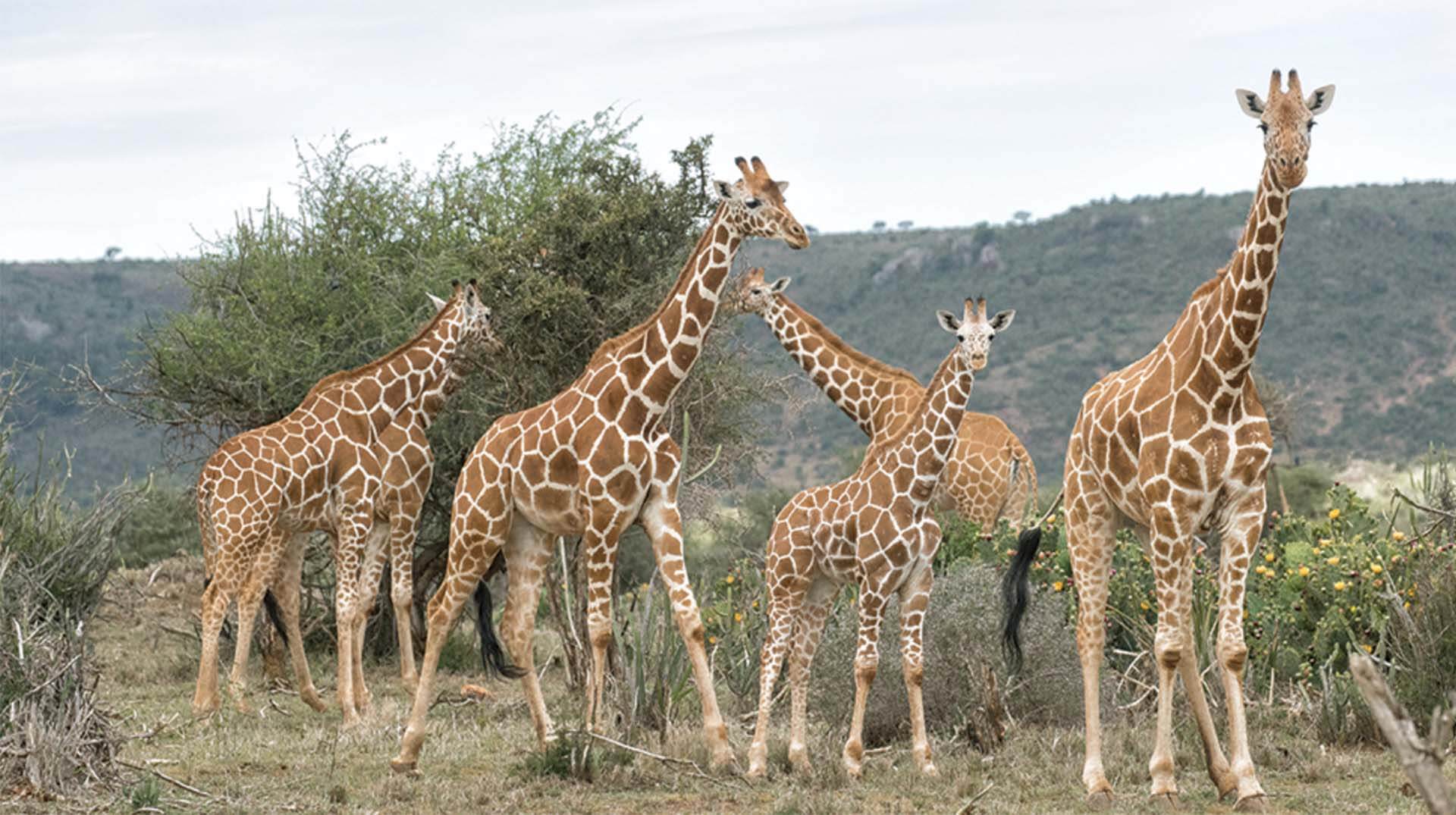
Derek Lee from Wild Nature Institute, Concord, NH; Douglas Cavener from Penn State; and Monica Bond from the University of Zürich photographed the hides of 31 maternal-calf pairs of Masai giraffes, deducing who went with whom by following their subjects from the nursing stage. Giraffe moms don’t feed the young of others. Masai giraffes, the most populous subspecies, are native to East Africa.
A giraffe’s spots and blotches are superimposed upon dark grey skin. The pattern arises from an initial distribution of melanin-producing cells in the embryo, and later on, where and to what extent the melanocytes release their dark pigment.
The study assessed 11 spot traits, including number, area, perimeter, diameter, shape, circularity, color, shade, size, and jaggedness versus smoothness. Helpfully, as the animal grows, the spot pattern remains distinctive.
To standardize the photos and avoid counting speckles instead of spots, the investigators marked rectangles on the images of the hides and designated a unit of a certain number of pixels in height a “GU,” for “giraffe unit.” For a measurable trait they tracked survival, to test the hypothesis that certain coat patterns protect the babies. They also followed the young through four stages, from 2012 to 2016, using a capture-mark-recapture protocol.
The gist of the statistics was to assess how similar maternal spot patterns were to those of their offspring. If surviving calves more closely resembled their mothers than did calves that didn’t make it, then heredity likely influences the variability of spot pattern.
The analysis showed that newborn giraffes with larger, rounder or slightly irregular but smooth spots with solid colors were more likely to survive their first few months than differently adorned juveniles. Spot pattern can provide protection in a number of ways. “Giraffe spot patterns are complex and can be quite different among individuals. Complex markings can help animals evade predators, regulate their temperature, or recognize family or individuals, all of which can affect their ability to survive and reproduce,” said Lee.
Follow the latest news and policy debates on sustainable agriculture, biomedicine, and other ‘disruptive’ innovations. Subscribe to our newsletter.
Like zebras appearing to vanish with the visual effect of motion and light on their stripes, so too can spots and splotches provide camouflage. “Giraffe calves spend much of their time, day and night, hiding in the dappled light of trees and bushes and their ability to match this background should influence detection by visually hunting predators such as lions and hyenas,” write the researchers. Sharing a distinctive coat color pattern might help family members recognize each other for social interactions yet avoid mating with each other.
“Dr. Anne Innis Dagg, the first giraffe field researcher in Africa, presented evidence in 1968 that the shape, number, area, and color of spots in giraffe coat patterns may be heritable, but her analysis came from a small zoo population. We used wild giraffes and modern imaging and analysis techniques to confirm her conclusions,” said Bond, a graduate student in evolutionary biology and environmental studies.
We humans pride ourselves on our use of language, our technology and inventions, and our abilities to investigate the abilities of other species. The new work adds to ways that we can understand the meaning of coat color patterns in the wild, continuing the observations of Darwin, Lamarck, and Kipling.
(A semantic aside. The measure “heritability” estimates the degree to which genetics contributes to the variability of a trait – not to the trait itself. This is almost always misreported – even the authors of the new paper do so in the news release quoted above.)
The Sacramento Zoological Society, Columbus Zoo and Aquarium, Tulsa Zoo, Tierpark Berlin, The Living Desert Zoo and Gardens, Cincinnati Zoo and Botanical Gardens, and Save the Giraffes supported the work.
Ricki Lewis is a science writer with a PhD in genetics. The author of several textbooks and thousands of articles in scientific, medical, and consumer publications, Ricki’s first narrative nonfiction book, “The Forever Fix: Gene Therapy and the Boy Who Saved It,” was published by St. Martin’s Press in March 2012. In addition to writing, Ricki provides genetic counseling for parents-to-be at CareNet Medical Group in Schenectady, NY and teaches “Genethics” an online course for master’s degree students at the Alden March Bioethics Institute of Albany Medical Center. Follow her on Twitter @rickilewis
For nearly 100 years, scientists haven’t been able to agree on the evolutionary origins of a strange, now-extinct monkey that lived and thrived in Jamaica for thousands of years. New research suggests its ancestors arrived from South America, and that life on this tropical island caused the species to acquire its odd set of features.
…
Living in Jamaica, Xenothrix [mcrgregori] did not have to contend with predators. It had weirdly rodent-like legs, relatively few teeth, and a body plan similar to the loris. This small monkey was likely a tree-dweller, moving slowly from branch to branch like a shrunken sloth (the researchers compare it in size to a capuchin monkey, which grows only 12 to 22 inches in length). This plethora of odd features led to questions about Xenothrix’s evolutionary roots.
…
New research published [November 12] in Proceedings of the National Academy of Sciences is now putting the history of this mysterious primate into clearer focus. Genetic analysis of four Xenothrix specimens found in Jamaican caves suggests it’s closely related to South America’s titi monkey. These creatures likely arrived to Jamaica by clinging to rafts of floating vegetation.
…
“Ancient DNA indicates that the Jamaican monkey is really just a titi monkey with some unusual morphological features, not a wholly distinct branch of New World monkey,” [said researcher] Ross MacPhee.
“We mustn’t do what other countries have already done; we must do what no other country did,” the CEO of Bioceres, Mr. Federico Trucco, challenged the audience during the formal presentation of the HB4 Wheat, a transgenic drought-tolerant wheat variety.
The beginning of this development dates from mid 1990s when scientist Raquel Chan’s team identified a gene (HB4) that confers sunflower seed with drought tolerance. In 2003, Bioceres reached an agreement with Conicet (the governmental Science and Technology Commission) to develop this finding commercially. In 2007, HB4 was transferred to other crops like soybean, maize and wheat, and now only one formal step is missing to release this technology to Argentinean farmers.
…
[T]he third step is pending. The Ag-Industry Secretariat must issue a finding about the impact of this wheat on the markets (domestic and foreign), before its release.
…
Mr. Trucco explained that they could supply HB4 wheat seeds to farmers in the next season 2019/20, if Government finally approves the trait. “Initially we have seed to plant 20,000 hectares next year. I hope Government authorities realize that HB4 is a milestone for the scientific sector in the country and for the food and agricultural chain”, he said.
[Editor’s note: This summary was lightly edited for clarity.]
Can you imagine the entire population of the United States, Canada, Mexico, Brazil, the United Kingdom and France going hungry?
You don’t need to imagine. That is exactly what happens every day when an estimated 815 million people around the globe go hungry. In the short term, the problem is likely to get worse as the population grows, diets change and urban sprawl forces farmers to produce more food on less land ….
As a biochemist …. I’m working with an international research project exploring how to …. increase the efficiency of photosynthesis – the process plants use to convert energy from the sun into the food we eat. In our most recent publication we’ve shown that it is possible to dramatically boost crop yield, by enabling the plant to get rid of its toxins more quickly.
[Editor’s note: Paul South is a postdoctoral researcher at the Carl R. Woese Institute for Genomic Biology, University of Illinois at Urbana-Champaign.]
…
We managed to speed up the recycling of these toxins by designing [a strain of tobacco] plants that produce more of a protein, called the H-protein, that is already present in our crop plants and plays a role in photorespiration …. after two years of field trials, [we] demonstrated that increasing H-protein levels leads to larger plants, boosting the crop yield by 27-47 percent.
Epigenetics, the study of mechanisms by which genes are turned on or off without altering their genetic code or DNA sequences, is one of many ways that cells regulate gene expression. Epigenetics has helped scientists better understand complex and diverse biological processes such as cell differentiation, genomic imprinting, and X-chromosome inactivation.
…
Two new methods of epigenetic assessment and intervention, APOBEC-coupled epigenetic sequencing (ACE-seq) and CRISPR, have the potential to dramatically enhance epigenetic research and its clinical applications.
Described in Nature Biotechnology [October 8], ACE-seq is a bisulfite-free method for localizing 5-hydroxymethylcytosine at single-base resolution with low DNA input and without harming DNA.
…
In 2017, scientists from the Salk Institute for Biological Studies in California reported a robust CRISPR-Cas9–based system for activating target genes in vivo by modulating histone modifications rather than by editing DNA sequences. They found that their system was successful in ameliorating disease symptoms in mouse models of diabetes and muscular dystrophy. Prior to this paper, most approaches to alter epigenetic processes relied on drugs that ubiquitously add or remove histone modifications, potentially affecting off-target genes and producing serious side effects.
…
Incorporating these new epigenetic technologies when examining the multiple biological factors that regulate gene expression will better illuminate whether or how environmental factors and lifestyles can modify what we classically believed was our DNA destiny.
A tiny pulsing strip of muscle could help save the lives of 33 million people.
That’s how many people suffer from atrial fibrillation, the most common type of irregular heartbeat. Scientists have yet to invent an effective treatment for it, partly due to the difficulty in isolating heart muscle cells and then keeping them viable long enough to develop and test new drugs.
Now, a team of German researchers has grown strips of human heart tissue in the lab. Not only does the tissue express genes and respond to drugs in ways that closely resembles those of naturally derived atrial heart tissue — but it also beats like the real thing.
…
According to the German team’s study, which was published [November 8] in the journal Stem Cell Reports, the researchers created their human atrial heart tissue by treating hiPCSs with all-trans retinoic acid, a substance made from vitamin A that helps cells grow.
Rather than culture their cells to grow in a flat, two-dimensional layer, though, the team then coaxed them to grow into 3D strips of muscle tissue, a form more similar to actual atrial heart muscle.
The researchers are now focused on figuring out how they can use their lab-grown heart tissue to develop treatments for atrial fibrillation.
Here, with minimal editing, is our interview with ISAAA Chairman Dr. Paul S. Teng.
Why and how is biotech agriculture seen as a solution for the impending global food crisis?
Global food insecurity is still a leading problem in the developing world. According to the Global Report on Food Crises in 2017, around 108 million people in 48 food crisis-affected countries are still at risk, or in severe acute food insecurity ….
I–and many other experts across the globe–see biotechnology as a part of the solution. We need to allow farmers, especially those in developing nations, to have access to technology that enables them to grow crops in difficult climates and conditions.
the Non-GMO Project is a non-profit and non-governmental certifying organization created by the owners of two natural foods grocery stores looking to fill a market niche: a non-GMO food labeling standard …. NGP’s butterfly label is now pretty much everywhere. Between 2013 and 2016, sales of products bearing the verified seal increased by 566%.
…
Over the years, the genetic engineering toolkit has become a lot more crowded. Gene editing techniques like CRISPR have captured much of the public’s attention, and while most gene edited foods aren’t yet on the the possibilities seem endless: non-browning mushrooms and low acrylamide potatoes, reduced gluten wheat and low fat pigs, just to name a few …. will the Non-GMO Project embrace these or will they reject them as GMO?
All of these foods definitely still count as biotechnology, says Megan Westgate, NGP’s Executive Director, and that has no place in a non-GMO food supply. “What makes it biotechnology,” she explains, “is when DNA and RNA are tinkered with in the lab in a very reductionist way.”
Westgate says there are important and clear distinctions between GMO engineering and traditional non-GMO breeding methods. The problem, she says, is that “at a very granular level, DNA or RNA is being moved around in isolation [from] the rest of the organism and outside of the constraints of natural processes.” Explains Westgate, “the fundamental concept really is that idea of manipulating nucleic acids in vitro (literally “in glass”) as opposed to in vivo (in a living organism).”
A paper presented at the National Cancer Research Institute [November 5] has made for some flashy headlines, like this confident declaration from India’s Economic Times: “Ladies, check your alarm: Waking up early may cut breast-cancer risk.” But most headlines have been appropriately measured and wordy, like The Independent’s “Women who prefer to wake up early have lower risk of breast cancer than night owls.”
…
The research itself comes from a paper titled “Investigating causal relationships between sleep traits and risk of breast cancer”
…
Research that explicitly sets out to answer a causal question but doesn’t quite get there leaves room for a lot of confusion, especially when the press release drums home causal claims. But the other major source of confusion—is this about behavior or preference?—is one that has the researchers scratching their heads, too. It’s not clear, they write, “whether it is the actual behavior which poses the health risk or the preference to morning versus evening.”
That is, it might be the case that getting up early, regardless of how awful it feels for you, could slightly reduce your risk of breast cancer. But it could also be the case that the risk factor comes from being born a night owl, and getting up early will achieve nothing other than making you (and everyone around you) more miserable.
Thanksgiving is upon us, which means families across the U.S. will soon be enjoying the most mouth-watering of meals. This #1 gathering of food and family is a celebration of the early American settlers’ creation of plenty against long odds in what was then referred to as the New World.
Thanksgiving has sadly been politicized like so much in this hyper-politicized age. Sad is that the food that gives the holiday so much life is the political football, as it were. Sadder still is that food’s politicization carries with it a rather high price tag.
The source of nosebleed food prices is the organic-food craze. While people are and should be free to purchase what most appeals to them, fear increasingly informs our food-buying habits, and it comes care of the $124 billion organic-food industry. Playing on the false notion that “organic” is the equivalent of “healthy,” organic marketers have convinced all-too-many shoppers to increase their grocery bills 50 to 100 percent ….
…
[T]he main genius of GMOs is that the use of them enables the growing of more and healthier food at lower and lower cost …. Indeed, it’s perhaps too often forgotten that 150 years ago career choices for individuals even in prosperous countries …. were rather limited …. odds were roughly 50/50 that able-bodied Americans would spend their lives working dawn to dusk, six days per week on the farm.
At Singularity University’s Exponential Medicine conference in San Diego … Dr. Ran Balicer, director of the Clalit Research Institute in Israel, painted a futuristic picture of how big data can merge with personalized healthcare into an app-based system in which the patient is in control.
Picture this: instead of going to a physician with your ailments, your doctor calls you with some bad news: “Within six hours, you’re going to have a heart attack. So why don’t you come into the clinic and we can fix that.” Crisis averted.
Following the treatment, you’re at home monitoring your biomarkers, lab test results, and other health information through an app with a clean, beautiful user interface. Within the app, you can observe how various health-influencing life habits—smoking, drinking, insufficient sleep—influence your chance of future cardiovascular disease risks by toggling their levels up or down.
…
Sound fantastical? In fact, this type of preemptive care is already being provided in some countries, including Israel, at a massive scale, said Balicer. By mining datasets with deep learning and other powerful AI tools, we can predict the future—and put it into the hands of patients.
…
So far, Balicer’s predictive health system has only been tested on a pilot group of patients, but he is expecting to roll out the platform to all patients [soon].
The Agriculture Department and FDA laid out new details on [November 16] about how the two agencies plan to split regulatory oversight over cell-based protein products — though it’s still possible Congress could amend those plans.
Under the proposed joint regulatory framework, FDA would oversee “cell collection, cell banks, and cell growth and differentiation,” according to a joint statement, and after that, the USDA will take over.
“USDA will then oversee the production and labeling of food products derived from the cells of livestock and poultry,” the statement added.
The agencies are still working out technical details of the framework. A public comment period will remain open through Dec. 26.
…
Earlier this year, the debate over which arm of government would oversee the budding cell-cultured meat sector was seen as an interagency tug-of-war. Although Gottlieb and Perdue appear to largely be on the same page at this point, Congress might still tweak their roles.
Our supposedly shrinking attention spans are a hot topic these days—as you may have seen on TV or heard on a podcast or read on Twitter or glimpsed on your watch or else just intuited from the antsy melancholy of those few unbearable minutes each morning between when you open your eyes and when you first reach for your phone.
…
Yet blaming smartphones for our distractibility feels too easy—human attention has always been fleeting. A study conducted several years before the first iPhone was unveiled found that workers spent an average of just two minutes using a particular tool or document before switching to another. Moreover, interruptions may have a silver lining. Many workers who were insulated from distraction by website-blocking software became more aware of time’s passage and were able to work for longer stretches—but also reported higher stress levels as a result of their sustained focus.
…
Ultimately, it’s worth asking: How long do we really want our attention span to be? A little mindfulness can be grounding, while too much sustained focus can dial up our stress levels. What’s lacking these days, then, may not be attention so much as moderation in the face of countless stimuli that are simultaneously diverting and engrossing.
A draft resolution would revise the U.N. Convention on Biological Diversity to call on governments to “refrain from” releasing organisms containing engineered gene drives, according to the MIT Technology Review. A gene drive is a technology that can rapidly propagate a particular set of genes throughout a population, including genes that cause sterility in a species.
Earlier this year, researchers at Imperial College London reported doing just that in malaria-carrying mosquito species. The genetic construct engineered into the mosquitoes caused female mosquitoes to become sterile. Passed along by engineered male mosquitoes, lab-grown populations went extinct after seven to 11 generations. Crashing populations of malaria-carrying mosquitoes in the wild could annually save half a million lives and spare hundreds of millions from the misery of this disease.
The proposed ban is supported by some of the more radical anti-science activist groups. For example, the luddite ETC Group (along with Friends of the Earth) have launched a petition that calls “for a global moratorium on any release of engineered gene drives. This moratorium is necessary to affirm the precautionary principle,* which is enshrined in international law, and to protect life on Earth as well as our food supply.”
Follow the latest news and policy debates on sustainable agriculture, biomedicine, and other ‘disruptive’ innovations. Subscribe to our newsletter.
To counter this nonsense, gene drive researchers have issued an open letter that strongly pushes back against the proposed ban, which would apply even to experiments:
Closing the door on research by creating arbitrary barriers, high uncertainty, and open-ended delays will significantly limit our ability to provide answers to the questions policy-makers, regulators and the public are asking. The moratorium suggested…would prevent the full evaluation of the potential uses of gene drive. Instead, the feasibility and modalities of any field evaluation should be assessed on a case-by-case basis….
Member States can enable the Convention on Biological Diversity to be a platform for knowledge and experience sharing. We should not decide against the use of a tool before potential costs and benefits can be fully evaluated. We urge governments to ensure the decisions taken at the Convention on Biological Diversity’s next meeting do not amount to a moratorium on gene drive research, but instead offer a balanced and constructive way forward for Parties to learn and monitor this field of research.
The good news is that since decisions require consensus, negotiators are unlikely to approve the ban, since some countries with biotech industries are expected to oppose the measure.
Ronald Bailey is science correspondent for Reason magazine and the author, most recently, of The End of Doom (2015). Follow him on Twitter @RonaldBailey
At the turn of the previous century, German scientists Fritz Haber and Carl Bosch got all the credit for finding a way to convert atmospheric nitrogen (in its very stable N2 form) into a charged ion that could be “fixed” or applied as a chemical fertilizer. Both eventually were awarded the Nobel Prize in chemistry for their efforts.
At almost exactly the same time, Dutch microbiologist Martinus Beijerinck discovered how certain bacteria do the same thing naturally.
Beijerinck never got the Nobel. And until now, the Haber-Bosch process has been the only way to create enough volumes of nitrogen fertilizer to meet global demand. But Beijerinck (not known for his sense of humor or self-reflection), may get the last hurrah.
That’s because Haber-Bosch takes a tremendous amount of energy to catalyze the reaction from nitrogen to nitrate (or ammonia) ions, using very high temperatures and pressures. That energy often comes from fossil fuels. In addition, the use of applied nitrogen has had severe (and growing) ecological repercussions: It’s inefficient, and much of works its way, through runoff, into streams, rivers and the ocean. This has created well-known “dead zones” such as the Mississippi River Delta in the US, the coasts of Korea and Japan, and parts of the Baltic Sea. Nitrous oxide, one product of fixing, is 300 times more potent a greenhouse gas than carbon dioxide.
Scientists are now looking at genetics to see if they can take the ability of the bacteria Beijerinck studied, which even today only “fix” nitrogen in certain legumes, like peanuts, soybeans and peas (hence the need for applied nitrogen in crops like wheat, corn, oats or rice). If they can recreate the fixing process in other cells, then those cells could literally create their own fertilizer as they grow and propagate.
That won’t be easy. There are at least 20 genes involved in nitrogen fixation, and while the Haber-Bosch process takes a great deal of energy, so does “natural” fixation—about 16 moles (the standard unit comparing units of atoms, molecules, and the like) of adenosine triphosphate (ATP), the energy-containing molecule in all cells, are needed to reduce one mole of nitrogen to nitrate. A successful fixation would need to harness cellular signaling, receptors and target genes that are precisely regulated and respond even to small changes in environmental conditions to, in some cases, recreate the cycles and reactions that result in nitrogen fixing.
But a number of efforts to genetically fix nitrogen are starting to pay off, thanks to more precise identification of DNA sequences and better gene-editing techniques. Breeding (in the biological sense) has helped, too.
Pivot Bio, which began in 2011 with Karsten Temme and Alvin Tamsir, who were looking at how bacteria fixed nitrogen when they were graduate students at the University of California, Berkeley. After failing to genetically produce plants that could fertilize themselves, their work met up with the work of Sharon Doty, a forest science professor at the University of Washington, who was looking at how poplar trees were able to get at nitrogen.
The answer was a nitrogen-fixing rhizobia bacteria that persisted in slime surrounding the trees roots. Instead of looking at the plants, Temme and Tamsir started looking at tweaking the nitrogen-fixing bacteria. The company has been working with farmers nationwide, and is collecting thousands of nitrogen-fixing bacteria that could be bred to fertilize non-auto-fixing plants. Pivot is keeping much of how it is doing this on a proprietary basis, but the company website says their “genetic fine-tuning” isn’t transgenic. According to an article in SynBioBeta, the company is:
[S]tudying the intricacies of nitrogen fixation—the process of breaking nitrogen down into ammonia— when they came across these hibernating microbes. Together, they developed a method to re-enable the microbes’ nitrogen-fixing genes. With these microbes, Pivot Bio can grow biological nitrogen fixation to the scale of modern agriculture.
But it’s not enough to genetically tweak microbes. Each plant species prefers different types. Pivot Bio’s team started with corn. They tested thousands of samples from corn fields across the US to find out which microbes corn likes best. When paired correctly, the microbes live directly on the corns’ roots.
According to the company’s patent filed with the US Patent and Trademark Office, the final product is not transgenic. Instead, the company writes, its method involves:
Exposing the plant to a plurality of bacteria. Each member of the plurality comprises one or more genetic variations introduced into one or more genes or non-coding polynucleotides of the bacteria’s nitrogen fixation or assimilation genetic regulatory network, such that the bacteria are capable of fixing atmospheric nitrogen in the presence of exogenous nitrogen. The bacteria are not intergeneric microorganisms.
Its promise just got a big boost of $70 million from Breakthrough Energy Ventures, a venture capitalist fund headed by Bill Gates and others.
Another company making headway in nitrogen fixing is Joyn, an alliance between Bayer and Ginkgo Bioworks. This company, which started with $100 million, is using synthetic biology technology on more than 100,000 strains of microbes supplied by Bayer to look at tweaking nitrogen-fixing organisms. According to Joyn’s website:
While there are many microbes that can fix nitrogen in the soil, these bacteria need to be engineered to increase the amount of biological nitrogen fertilizer they produce before they can make a meaningful impact for growers and the environment. We engineer the DNA of these naturally nitrogen-fixing bacteria using synthetic biology, enabling them to provide nitrogen to plants more efficiently.
Gingko has been at work in synthetic biology for years now, taking organisms like yeast, bacteria and algae to use sequences of DNA that can produce enzymes and other molecules at higher volumes. Joyn recently moved into a 160,000 square foot lab in Sacramento, California, devoted to experiments on creating a wider array of effective bacteria that could fix nitrogen.
Follow the latest news and policy debates on sustainable agriculture, biomedicine, and other ‘disruptive’ innovations. Subscribe to our newsletter.
A third is Indigo Ag, based in Boston, which has raised nearly $700 million since it started in 2014. The company first looked at developing tolerance to drought, and has 19 commercial microbial products to its name. Indigo works by screening microbiome and microbes that seems promising and then using computer software to predict microbial interactions with crop plants. They can then coat seeds with the right microbes to aid in growth enhancement, ability to grow in adverse conditions, and, of course fix nitrogen.
Any of these developments, if applicable to the field (and pass regulatory hurdles), would be revolutionary. Even small increases in nitrogen availability from nitrogen-fixing cereal crops would result in large yield increases—a particular benefit to the developing world. And farmers could at least reduce the 24 billion pounds of fertilizer they use every year, replacing the Haber-Bosch-enabled chemicals with microbes.
Andrew Porterfield is a writer and editor, and has worked with numerous academic institutions, companies and non-profits in the life sciences. BIO. Follow him on Twitter @AMPorterfield
Information wants to be free, says the old internet meme, and a genomics company will now apply that to DNA: … the startup Nebula Genomics is giving customers the option of having their full genome sequenced at no cost, a first for direct-to-consumer genetics.
There is, naturally, an itsy-bitsy little catch. Customers will have to answer a handful of questions about their health and other traits … in order to earn credits toward free sequencing. Answering the questions will earn enough credits, or “tokens” as the company calls them, to score free DNA sequencing.
Those who opt out of sharing information about themselves can get their DNA sequence for $99, a bargain compared to the $199 or so for other direct-to-consumer genetics companies such as 23andMe, which analyze a handful of disease-related regions of the genome rather than sequencing the whole thing.
…
Nebula hopes the sequence data it generates for all customers, plus the health and other information it collects from some, will support all sorts of studies by pharma, biotech, and academic researchers. Those researchers will pay Nebula for access to data, all of it anonymized, much as GlaxoSmithKline is paying 23andMe $300 million for access to its customers’ data, hoping to find in it leads for new drugs.
Though the nation already imports genetically modified organisms (GMOs), Ghana is ready to introduce genetically modified (GM) crops into its production. The government of Ghana is working to quickly introduce GMOs as part of the Planting for Food and Jobs initiative. This plan strives to improve food security and increase domestic crop production through biotechnology. This change is good news for poor Ghanaian farmers who will be able to save money with these more resilient crops. However, even though there are many benefits to adopting such changes, genetically modified organisms in Ghana aren’t without potential dangers and consequences.
In 2011, Ghana introduced the Biosafety Act to legally introduce GMOs to the country and ultimately allow farmers to use GMOs in their crop production process. The nation already imports GMOs. The Council for Scientific Industrial Research (CSIR) was still needed since it was required to test and study specific GM crops to ensure their safety for the general public.
…
Earlier this month, Amaning Okoree, CEO of the National Safety Authority, declared that the government had built all necessary regulations and all reliable studies had concluded that it would be safe to allow genetically modified organisms in Ghana’s market. “We are ready for any promoter or commercial organization of biotechnology product that wants to release GMO foods,” he declared in a statement.



 To standardize the photos and avoid counting speckles instead of spots, the investigators marked rectangles on the images of the hides and designated a unit of a certain number of pixels in height a “GU,” for “giraffe unit.” For a measurable trait they tracked survival, to test the hypothesis that certain coat patterns protect the babies. They also followed the young through four stages, from 2012 to 2016, using a capture-mark-recapture protocol.
 “Dr. Anne Innis Dagg, the first giraffe field researcher in Africa, presented evidence in 1968 that the shape, number, area, and color of spots in giraffe coat patterns may be heritable, but her analysis came from a small zoo population. We used wild giraffes and modern imaging and analysis techniques to confirm her conclusions,” said Bond, a graduate student in evolutionary biology and environmental studies.