Two recent studies will undoubtedly shock individuals and families affected by autism spectrum disorder (ASD). These studies show a much earlier age of death in those with ASD as compared with the general population.
One study, published in the American Journal of Public Health in April 2017, finds the life expectancy in the United States of those with ASD to be 36 years old as compared to 72 years old for the general population. They note that those with ASD are 40 times more likely to die from various injuries.
…
Most of these are suffocation, asphyxiation, and drowning.
…
The other study was published by the British Journal of Psychiatry in January 2018. This was a Swedish study showing similar results but elaborating on other causes of death as well. This study showed a life expectancy in those with ASD with a cognitive disability (or a learning disability) at 39.5 years versus 70 years.
…
The leading causes of death in those with ASD in this large study were heart disease, suicide, and epilepsy.
…
With all of this in mind, if you are a parent of a child or adult with ASD, you should teach water safety and swim lessons. You should also have a GPS tracker to find your child quickly should they wander off. To decrease your child’s risk of suicide, seek out mental health professionals early and treat mental health issues as they arise.
In fall 2015, the biotech company Oxitec planned to release genetically engineered mosquitoes throughout the Florida Keys capable of stopping their wild relatives from spreading Zika, a dangerous virus that causes birth defects and damages the nervous system. These lab-bread insects carry a lethal gene that is only deactivated when the engineered mosquitoes are exposed to the antibiotic tetracycline. When they breed with their wild relatives, the mosquitoes pass this gene to their offspring. Because tetracycline isn’t available in nature, the offspring inevitably die when the gene is activated, which prevents them from transmitting Zika.
Oxitec’s researchers were confident the mosquitoes functioned as designed based on the results of field trials conducted in Brazil and the Cayman Islands. But in order to release their genetically engineered insects in the US, the company needs the EPA’s approval, which entails a 12-18 month review process and another field trial, the one planned for Florida. The company expects to receive approval from the EPA based on preliminary feedback from the agency.
But intense opposition from some local voters in 2016 raised concerns that Oxitec’s mosquito would have negative environmental impacts. A 2018 petition signed by over 200,000 Floridians aimed at stopping EPA approval amplified these concerns, warning about “the possible development of antibiotic resistance …. as result of this experiment.” The fact that the offspring of these engineered mosquitoes die makes the petitioners disaster scenario unlikely, experts say. Nonetheless, the controversy in Florida highlights a concern that has been at the center of the decades-old safety debate around biotechnology and how scientists are addressing it.
Image Credit: Natural Society
When researchers first confirmed they could genetically engineer plants and animals in the early 1970s, critics of the technology at the time expressed concerns about the risk of engineered organisms spreading their modified genes in the wild. Modern anti-GMO activists have picked up these fears and run with them. The anti-GMO website Sustainable Pulse, for example, complained in 2013 that the spread of GMOs “is out of control around the world”:
This is happening in regions and countries such as the USA and Canada, Middle America, Japan, China, Australia and Europe. In many cases, the plants have escaped far beyond the fields into the environment. In some regions, the transgenes have already moved into populations of wild relatives.
This phenomenon, known as “gene flow,” is uncommon and unlikely to cause serious ecological problems for a variety of reasons. Nonetheless, it does happen and scientists are working to prevent it. Unfortunately, critics of biotechnology have elevated an uncommon occurrence to an impending disaster without acknowledging the research aimed at preventing gene flow—and how far it’s progressed in recent years.
Genetic engineering solution
Researchers at the University of Minnesota (UMN) have begun developing a new technology that they think could circumvent the problem of gene flow entirely. The solution, still being tested, is called “synthetic incompatibility.” Like Oxitec’s approach, the technology is a form of genetic engineering that prevents modified organisms from reproducing with their wild relatives. But it may be a superior approach, the UMN team argues, “for the containment of transgenic organisms, and provide additional tools to disrupt disease vector populations ….”
The research team, headed by Michael Smanski, an assistant professor at the College of Biological Sciences at UMN, sat down with the GLP at the recent SynBioBeta synthetic biology conference in San Francisco to explain how synthetic incompatibility works and why it might solve the challenges posed by gene flow.
Follow the latest news and policy debates on sustainable agriculture, biomedicine, and other ‘disruptive’ innovations. Subscribe to our newsletter.
The UMN researchers were originally looking for ways to grow pharmaceutical drugs in genetically engineered crops without allowing foreign genes to escape into the environment, Smanski told the GLP:
We were aiming to engineer crop plants to produce medicines, and we knew we’d have a hard time getting [regulators] to approve these plants if there was any chance their genes could escape into the food supply. So we wanted to create a barrier between organisms that could normally sexually reproduce.
Image Credit: Nanalyze
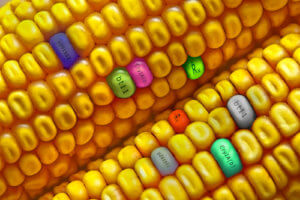
The technology could be used, for example, to breed hundreds of engineered varieties of corn, each optimized to make a different pharmaceutical compound. But these GMO crops wouldn’t be able to cross with each other—or any other plant for that matter.
Growing medicines in food crops is still at the experimental stage. But the team realized there was another application that could be commercialized much sooner. “Once we created the technology, we realized there was some really low-hanging fruit: applications in insect biocontrol,” Smanski said.
‘Synthetic incompatibility’, as it’s called, is driven by a set of molecular tools called “programmable transcriptional activators (PTAs),” proteins that can be designed to bind specific DNA sequences and turn on adjacent genes. To turn an engineered organism (like a mosquito) into a genetic biocontrol agent, the researchers would use a PTA to activate a lethal gene in wild disease-vector mosquitoes. Maciej Maselko, a postdoctoral scholar in Smanski’s lab, explained how a synthetic organism mating with its wild relative would trigger this lethal gene expression:
There’s two steps. In every organism, there are tightly regulated genes involved in embryonic development or controlling the cell cycle. First, we introduce a mutation into the promoter region of that gene [promoter sequences control where, when, and how much gene transcription occurs]. We then engineer [the mosquito] with the mutated promoter to express a programmable transcriptional activator that’s looking for the original promoter sequence. So in this synthetic species, there’s this activator that has nowhere to bind. But when this engineered organism crosses with the wild type organism that has the original sequence, the activator binds and drives lethal overexpression of that gene in the offspring.
Once this gene is activated, it either kills or makes the offspring sterile. “It’s up to us to determine how that happens and when that happens, depending on the particular application we’re looking at,” Maselko explained.Theoretically, the engineered organism would gradually eradicate the targeted disease as it continued mating with its wild relatives.
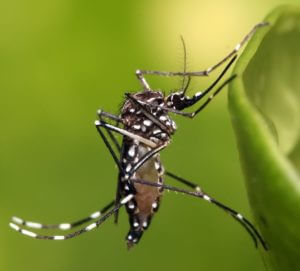
The Aedes aegypti mosquito is known to spread diseases such as dengue fever, yellow fever, and Zika.
Commercializing the technology
The UMN team demonstrated a proof of concept using yeast and published the results in an October 2017 study in Nature Communications. They followed up with a modeling study in May 2018, which suggested their approach would actually work in Aedes aegypti, the mosquito that transmits yellow fever, dengue fever and Zika. The technology presents the prospect of eventually eradicating these diseases, according to Smanski:
There’s a technology called sterile insect technique (SIT), which is the only proven method for eliminating an invasive species from an entire continent. But it can’t be applied to all species because it involved irradiating every insect. Our technology is a way to hard wire SIT into every insect, and the male mosquitoes are then going to seek out the females where they live.
One of the biggest problems hindering insect control officials, Smanksi added, is that they can’t get to all the environments where mosquitoes breed. Aedes aegypti is a “container-inhabiting” mosquito, according to the entomology department at the University of Florida, “often breeding in unused flowerpots, spare tires, untreated swimming pools, and drainage ditches.” Spraying larvicide every place you might find a spare tire isn’t practical, so regulators are watching to see how this technology develops.
The UMN team says there’s more to do before synthetic incompatibility becomes a viable solution. Maselko:
There’s still some R&D hurdles we’ve got to overcome, like identifying the best way to engineer the technology in mosquitoes. We’ll do laboratory cage trials to see how it works. If those go well, we’ll move on to field trials. We’ve met with the managers of mosquito control districts in California, Florida and other parts of the southern US, and they’re hungry for this kind of technology.
The fact that local officials see the potential of synthetic incompatibility is an important step. But because the technology is a biopesticide (a living organism that kills plant pests and other insects), it will be regulated by the US Environmental Protection Agency. The agency approved the release of a similar “killer mosquito” in 20 US states in November 2017 to aid disease control efforts, so the UMN team thinks “the EPA could provide us with a very clear path to regulatory approval,” Smanski said.
However, the biggest challenge may not be winning over regulators—but the general public. “We could get all the approvals, but then we may be up against the public’s perception of the technology, and that could be a challenge,” said Siba Das, also a researcher in Smanski’s lab.
Getting the public on board
Anti-biotechnology and anti-GMO advocacy groups have proven adept at generating public fear over biotechnology. Indeed 50 percent of consumers say they would avoid foods labeled as “bioengineered” or made from GMO crops according to a June 2018 poll. But the activist-critics have not yet stopped the development of genetically engineered insects. While cautious, the scientific establishment believes that new technologies should be considered in countering pest and disease-carrying insect infestations.
The public also appears to have an open mind on this issue. A study published the same year suggested that most people are more accepting of genetic engineering when they can see the benefits of the technology for themselves. Nearly 80 percent of respondents in the study supported the use of engineered mosquitoes to control disease. Numbers like these encourage Smanski, who is optimistic about the public’s ability to spot and reject what he believes are scare scenarios propagated by ideological advocacy groups.
There’s a small, vocal minority who are going to be against any innovation, and a small minority for the innovation. But then the great majority sit in the middle, and they respond to reason. They realize that no technology is good or bad; applications of the technology can be good or bad and they are willing to be convinced by sound arguments.
Cameron J. English is the GLP’s senior agricultural genetics and special projects editor. He is a science writer and podcast host. BIO. Follow him on Twitter @camjenglish
In the early 1970s a group of scientists — none involved in agriculture or food — raised concerns about the hypothetical hazards that might arise from the use of the newly discovered molecular genetic modification techniques (recombinant DNA technology) that could alter the inheritable characteristics of an organism via directed changes in its DNA.
That led to an initial voluntary moratorium on the use of the new recombinant DNA (r-DNA) techniques, and subsequently the creation by the National Institutes of Health of guidelines for the application of these techniques for any purpose. These “process-based” guidelines, which were applicable exclusively to the use of these new techniques, were in addition to the existing “product-focused” regulatory requirements of FDA, USDA and EPA. For example, without regulatory approval the “intentional release” of “recombinant organisms” into the environment or fermentation (in contained fermenters) at volumes greater than ten liters of was prohibited.
No similar blanket restrictions existed for plants or other organisms similarly modified by traditional techniques, such as chemical or irradiation mutagenesis.
Thus, premature and ultimately ill-founded concerns about the risks of r-DNA organisms in agriculture and environmental applications precipitated the regulation of r-DNA organisms triggered simply by the “process,” or technique, for genetic modification, rather than the “product,” i.e., the characteristics of the modified organism.
The regulatory burden on the use of recombinant DNA technology was, and remains, disproportionate to its risk, and the opportunity costs of regulatory delays and expenses are formidable. According to Wendelyn Jones at DuPont Crop Protection, “A survey completed in 2011 found the cost of discovery, development and authorization of a new plant biotechnology trait introduced between 2008 and 2012 was $136 million. On average, about 26 percent of those costs ($35.1 million) were incurred as part of the regulatory testing and registration process.” Thus, given that at least 120 genetically engineered seeds with new traits have been approved by USDA, the public and private sectors have spent billions of dollars on complying with superfluous, redundant regulatory requirements that have priced public sector and small companies’ agricultural research and development (R&D) out of the marketplace.
These inflated development costs are the primary reason that more than 99% of genetically engineered crops that are cultivated today are large-scale commodity crops—corn, cotton, canola, soy, alfalfa and sugar beets. Virus-resistant Hawaiian papaya, bruise- and fungus-resistant potatoes and non-browning apples are among the few examples of genetically engineered “specialty crops,” such as fruits, nuts, or vegetables. Early concerns from the food industry about possible food contamination led to onerous USDA restrictions on the once-promising sector of “biopharming,” which uses genetic engineering techniques to induce crops such as corn, tomatoes, and tobacco to produce high concentrations of high-value pharmaceuticals. Likewise, the once high hopes for genetically engineered “biorational” microbial pesticides and microorganisms to clean up toxic wastes are dead and gone. Not surprisingly, few companies or other entities are willing to invest in the development of badly needed genetically improved varieties of the subsistence crops grown in the developing world.
While multinational corporate crop developers can bear these high regulatory costs for high-value, large-volume commodity grains, excessive regulation disproportionately affects small enterprises and, especially, public research endeavors, such as those at land-grant universities, which lack the necessary resources to comply with burdensome and costly regulatory requirements. Therefore, land grant universities have been put at a substantial competitive disadvantage and are seldom able either to expose their students to state-of-the-art breeding programs or to create important new varieties.
Image Credit: Shutterstock
The global regulatory compliance costs associated with a new insect-resistant or herbicide-resistant recombinant DNA-modified variety of corn, for example, which are, as noted above, around $35 million, do not include the resources spent on products that are never approved; the costs borne by growers, shippers and processors associated with segregation, traceability and special labeling; or the opportunity costs of compliance with unnecessary regulation.
The benefits of genetic engineering and New Biotechnology Techniques (NBTs) in agriculture
The history of agriculture is one of constant, incremental improvements to plants, animals and microorganisms to improve quality, yield and efficiency, as well as technologies for food production, environmental protection, and sustainability.
Although similar to other techniques for genetic improvement that have modernized agriculture, modern molecular genetic engineering, including NBTs, offers more precise and efficient ways to:
Increase crop productivity by means of:
Disease and pest resistance
Drought resistance
Flood resistance
Adaptation to temperature variation
Decrease cost of food animal production
Faster, more efficient growth
Easier to manage, e.g., hornless cattle
Greater farm-to-market efficiency
Longer shelf-life, fresher produce
Improved nutrition and taste
Improved nutrient quality
Added vitamins
Environmental protection
More efficient water utilization
Reduced inputs such as fertilizers, herbicides and insecticides
Less runoff and soil erosion
Improved animals, with less toxic waste products
Bioremediation
Improved food processing
Processing enzymes such as GE chymosin to replace rennet
Manufacture of specialized products
Pharmaceuticals
Chemicals
In spite of decades of over-regulation, the contributions of molecular genetic engineering to agriculture have been prodigious. According to economists Graham Brookes and Peter Barfoot:
Economic benefits at the farm level amounting to $15.4 billion in 2015 and $167.8 billion for the 20 year period 1996-2015 (in nominal terms). These gains have been divided 49% to farmers in developed countries and 51% to farmers in developing countries. About 72% of the gains have derived from yield and production gains with the remaining 28% coming from cost savings.
GM traits have contributed to a significant reduction in the environmental impact associated with insecticide and herbicide use on the areas devoted to GM crops (Table 6). Since 1996, the use of pesticides on the GM crop area was reduced by 618.7 million kg of active ingredient (8.1% reduction), and the environmental impact associated with herbicide and insecticide use on these crops, as measured by the [Environmental Impact Quotient], fell by18.6%.
The authors have also quantitated the environmental benefits of reduced fuel use from less frequent herbicide or insecticide applications and a reduction in the energy use in soil cultivation:
The fuel savings associated with making fewer spray runs (relative to conventional crops) and the switch to conservation, reduced and no-till farming systems, have resulted in permanent savings in carbon dioxide emissions. In 2015, this amounted to about 2,819 million kg (arising from reduced fuel use of 1,056 million liters. Over the period 1996 to 2015 the cumulative permanent reduction in fuel use is estimated at 26,223 million kg of carbon dioxide (arising from reduced fuel use of 9,821 million liters).
Finally, they cite the benefits of “‘no-till” and “reduced-till” farming systems:
These production systems have increased significantly with the adoption of GM [herbicide-tolerant] crops because the GM [herbicide-tolerant] technology has improved farmers’ ability to control competing weeds, reducing the need to rely on soil cultivation and seed-bed preparation as means to getting good levels of weed control. As a result, tractor fuel use for tillage is reduced, soil quality is enhanced and levels of soil erosion cut. In turn more carbon remains in the soil and this leads to lower [greenhouse gas] emissions.
The risks of genetic engineering and New Biotechnology Techniques (NBTs) in agriculture
Recombinant DNA (r-DNA)-mediated genetic engineering (GE) involves cutting and splicing DNA with enzymes called restriction nucleases and often involves inserting a new tiny segment of DNA to change or improve an organism’s characteristics. R-DNA and newer, even more precise techniques provide greater power, precision and efficiency than traditional methods for plant and animal breeding, food production, environmental applications, and so on.
The fundamental concern underlying the basis for regulation of GE in the 1970s was whether it conferred unique risks because of the combination of particular DNAs or the introduction into organisms of foreign genomic material. Numerous national and international scientific organizations have repeatedly addressed this question, and hundreds of risk-assessment experiments have been conducted, many under the aegis of the highly risk-averse European Commission. The results have led to a wide consensus that no unique or incremental risks are likely to arise from the use of the newer GE techniques.
Among scientists, there is a broad and longstanding consensus that GE crops and foods are no less safe than corresponding conventionally bred crops and foods. In the nearly half a century since its inception, not a single case of harm to human health or to an ecosystem attributed to a GE modification has been documented.
Follow the latest news and policy debates on sustainable agriculture, biomedicine, and other ‘disruptive’ innovations. Subscribe to our newsletter.
The National Academies of Science, Engineering and Medicine’s Consensus Study Report, “Genetically Engineered Crops: Past Experience and Future Prospects (2016),” concluded that “no differences have been found that implicate a higher risk to human health safety from these GE foods than from their non-GE counterparts.” Similarly, “Overall, the committee found no conclusive evidence of cause-and-effect relationships between GE crops and environmental problems. However, the complex nature of assessing long-term environmental changes often made it difficult to reach definitive conclusions.”
This latest National Academies report is only the most recent in a decades-long history of scientific reports, the most definitive of which were published in 1987 and 1989. The conclusions of the former included:
There is no evidence that unique hazards exist either in the use of [r-DNA] techniques or in the transfer of genes between unrelated organisms.
The risks associated with the introduction of [r-DNA] engineered organisms are the same in kind as those associated with the introduction into the environment of unmodified organisms and organisms modified by other genetic techniques.
In the most comprehensive and unequivocal analysis, the 1989 U.S. National Research Council report, ”Field Testing of Genetically Modified Organisms,” on the risks of genetically engineered plants and microorganisms, concluded that “the same physical and biological laws govern the response of organisms modified by modern molecular and cellular methods and those produced by classical methods.”
But this analysis went further, emphasizing that the more modern molecular techniques are more precise, circumscribed, and predictable than other methods:
Recombinant DNA methodology makes it possible to introduce pieces of DNA, consisting of either single or multiple genes, that can be defined in function and even in nucleotide sequence. With classical techniques of gene transfer, a variable number of genes can be transferred, the number depending on the mechanism of transfer; but predicting the precise number or the traits that have been transferred is difficult, and we cannot always predict the phenotypic expression that will result. With organisms modified by molecular methods; we are in a better, if not perfect, position to predict the phenotypic expression. In 2000, the U.S. National Research Council released another report weighing in on the scientific basis of federal regulation of genetically engineered plants. It concurred with earlier assessments by other groups that “the properties of a genetically modified organism should be the focus of risk assessments, not the process by which it was produced.”
New Breeding Techniques (NBTs)
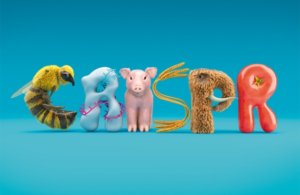
In contrast to recombinant DNA technology, which most often involves adding a DNA segment, rapidly emerging new breeding techniques (NBTs) employ recently developed technologies that simply modify or edit existing DNA. These new “genome editing” techniques include zinc finger nucleases, TALENs, CRISPR-Cas9 and CRISPR-Cas13. The use of NBTs gives researchers the ability to readily modify specific genes without having to introduce DNA from another species. NBTs can far more precisely deliver the same changes as those from traditional, unregulated technologies such as induced mutagenesis.
Image Credit: Chris Labrooy
Under the Obama administration, FDA proposed lumping NBT-modified animals into the same over-regulated regime as recombinant DNA-modified ones; FDA has not advanced this proposal under the Trump administration, although FDA Commissioner Scott Gottlieb has said that he favors it. USDA has said that it will not regulate NBT-modified plants under the Plant Protection Act as it lacks legal authority unless the modified organisms contain genetic material from a regulated plant pest. EPA has expressed interest in expanding its scope of regulation.
Current regulation of GE/NBTs in agriculture
Thirty years ago, the White House published an overarching regulatory regime for agriculture research and products, the 1986 U.S. Coordinated Framework for the Regulation of Biotechnology (CF), which relied on existing laws to regulate GE products.
In a Faustian bargain to placate hostile politicians, please eager regulators, calm anxious industry, and protect worried consumer activists, the White House announced a risk-based regulatory framework that focused on the particular risk a biotechnology product might present, rather than on the genetic modification technique used to develop it. However, agency interpretations and implementation mainly ignored this risk-based guidance, and instead imposed a regulatory approach that required premarketing and even pre-field-testing review of new GE organisms. The rigorous and often dilatory case-by-case reviews constituted a level of scrutiny far in excess of what would be required for the same product achieved through less precise methods of conventional non-molecular modification.
The regulations (or guidances) actually implemented under the Coordinated Framework incorrectly claimed to be product-focused and risk-based, but are, in fact, process-based because they are in most cases triggered by the use of virtually any r-DNA modification, regardless of the existence of a demonstrable hazard. The USDA, EPA, and FDA are the principal agencies regulating GE crops, pesticides, herbicides, drugs, foods and animals. They address the products’ hypothetical hazards to agriculture, the environment, and/or human and animal health. Thus, for example, depending on the crop and trait, one, two, or all three of these agencies may independently evaluate and regulate an agricultural product. In many cases, all of the reviews are arguably superfluous, creating uncertainty and significant expense for product developers.
In addition to the product-specific reviews, the National Environmental Policy Act (NEPA) requires that an environmental assessment or environmental impact statement be prepared for any “major federal action” that may have a significant impact on the “human environment.” Accordingly, a GE product review requires yet another separate review to comply with NEPA, except for evaluations performed by the EPA, whose reviews are considered to be equivalent to those required under NEPA.
U.S. Department of Agriculture
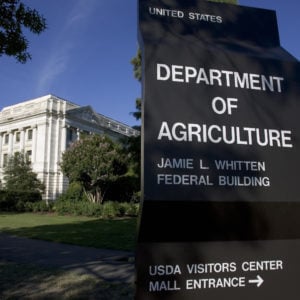
The Department of Agriculture (USDA), through its Animal and Plant Health Inspection Service (APHIS), is responsible for the regulation of genetically engineered plants. The Plant Protection Act (formerly the Plant Pest Act) has long regulated the importation and interstate movement of listed organisms (plants, bacteria, fungi, viruses, etc.) that are plant pests. A plant that an investigator might wish to introduce into the field is either on the prohibited list of plant pests, and therefore requires a permit, or it is not regulated.
For the regulation of r-DNA modified plants, APHIS extended the original concept of a plant pest (something known to be harmful) and invented a new category– “regulated article”—specifically defined as a potential plant pest to capture virtually every r-DNA-modified plant for case-by-case review, regardless of its potential risk.
In order to perform a field trial with a regulated article, a researcher must apply to APHIS and submit extensive paperwork before, during, and after the field trial. After conducting field trials for a number of years at many sites, the researcher must then submit a vast amount of data to APHIS and request “deregulation,” which is equivalent to approval for unconditional release and sale. These requirements make genetically engineered plants extraordinarily expensive to develop and test. The cost of discovery, development, and regulatory authorization of a new trait introduced between 2008 and 2012 averaged $136 million (about a quarter of which were regulatory compliance costs), according to Wendelyn Jones of DuPont Pioneer, a major corporation involved in crop genetics.
APHIS’s regulatory approach to r-DNA-modified plants is difficult to justify. Plants have long been selected by nature, as well as bred or otherwise manipulated by humans, for enhanced resistance or tolerance to external threats to their survival and productivity, such as insects, disease organisms, weeds, herbicides, and environmental stresses. Plants have also been modified for qualities attractive to consumers, such as seedless watermelons and grapes and the tangelo, a tangerine-grapefruit hybrid.
For new varieties of plants, risk is a function of certain characteristics of the parental plant (such as weediness, toxicity, or ability to “outcross” with other plants) and of the introduced or modified gene or genes. In other words, it is not the source or the method used to introduce a gene but its function that determines how it contributes to risk. Plant breeders conduct assessment of the risks and determine the approach to managing the new varieties. New varieties of plants (whichever techniques are used to craft them) that normally harbor relatively high levels of various toxins are analyzed carefully to ensure that levels of those substances remain in the safe range. Celery, squash, and potatoes are among the crops in need of such attention.
Under USDA’s APHIS, however, it is primarily plants made with the newest, most precise techniques that are subjected to more extensive and burdensome regulation, independent of the level of risk. Thus, the concept of “regulated article” turns on its head the common-sense notion that the degree of safety regulation – i.e., government intrusion — should be commensurate with the risk of a product, process or activity.
The regulated article construct, which is based on the possibility that the presence of part of a regulated plant pathogen could confer plant pest risk on the GE plant, is bureaucratically contrived and scientifically baseless. It leads to incongruous results. For instance, plant transformation involving synthetic or non-pathogen-derived DNA introduced by a different technique such as biolistics is not subject to regulatory consideration by APHIS. In contrast, an identical product created using a process involving the plant pathogen Agrobacterium or the S35 promoter from Cauliflower Mosaic Virus becomes a “regulated article,” while as a practical matter none of these should be subject automatically to case-by-case review.
APHIS has advised that NBTs do not trigger oversight by APHIS because the agency lacks the statutory authority under the Plant Protection Act to regulate if the resultant organism does not contain DNA from a plant pest.
Food and Drug Administration
Since 1992 the Food and Drug Administration (FDA) has had a science- and risk-based approach toward “novel foods” made with any technology. FDA’s Center for Food Safety and Nutrition does not impose discriminatory regulation based on the use of one technique or another, but conducts a more extensive review if, for example, the food contains a substance completely new to the food supply, has increased levels of a toxin, or would expose consumers to an unexpected allergen. In addition, FDA has resisted calls for mandatory labeling of genetically engineered foods as not materially relevant information under the federal Food, Drug and Cosmetic Act, and as not consistent with the statutory requirement that food labeling must be accurate and not misleading.
Photo source: Wikimedia Commons
In implementing its policy, FDA created a Plant Biotechnology Consultation Program to work cooperatively with developers of GE plants to help them ensure foods made from their new GE plant varieties are safe and lawful. In this program, FDA evaluates the safety of food from the new GE crop before it enters the market. While established as a voluntary program, GE plant developers routinely participate with FDA to consider food safety and nutritional issues, such as whether the GE plant contains a new toxin or allergen or is as nutritious as its traditionally bred counterpart.
FDA has asserted regulatory jurisdiction over GE animals, taking advantage of a perceived regulatory vacuum. In 2008 the FDA’s Center for Veterinary Medicine issued guidance that said that the altered DNA within every genetically engineered animal would be evaluated as a veterinary drug and subjected to the same onerous premarket approval procedures and regulations as drugs (such as pain relievers and anti-flea medicines used to treat animals). The rationale offered was that a genetically engineered construct “that is in a [GE] animal and is intended to affect the animal’s structure or function meets the definition of an animal drug.”
The failure of this approach is obvious from FDA’s taking more than 20 yearsto complete a review of a faster-growing a GE salmon made by a company that first approached FDA in 1993. Today neither that salmon, nor any other GE food animal is marketed in the U.S. Although the FDA finally approved the GE salmon in 2015, Congress has prohibited its sale until such time that guidelines for its labeling are finalized. In contrast, the GE salmon has been approved in Canada and is popular among consumers there.
FDA similarly struggled for a protracted time to approve a limited field trial of a GE mosquito which was designed to reduce the population of these disease-carrying insects. Eventually FDA had to defer to EPA’s broad authority over pesticides and transferred jurisdiction to that more suitable agency.
The once-promising sector of GE food animals in the U.S. has virtually disappeared. They were first developed 30 years ago in land-grant university laboratories, but those animal-science innovators have grown old without gaining a single approval for their work. Many academic researchers who have introduced promising traits into animals have moved their research to other nations, particularly Brazil. Many younger animal scientists have simply abandoned the field. As for the faster-growing salmon, regulators kept it in regulatory limbo while imposing costs of more than $75 million on its developers. Genetically engineered animals could be regulated elsewhere and under different paradigms at far less time and cost.
There is reason to worry that the use of “new breeding techniques,” or NBTs, may not fare any better at FDA than the salmon. For example, a University of Minnesota animal scientist has used the TALENs technique to edit a gene in the Holstein dairy cattle breed to duplicate the DNA sequence of the hornless (polled) gene found in the Angus beef cattle breed. This gene editing results in Holstein cattle which exhibit the hornless trait, a modification that provides greater animal welfare for dairy cattle (i.e., by making mechanical dehorning unnecessary) and greater safety for dairy farmers (i.e., avoidance of being gored). But FDA has refused to consider the Holsteins under the same approach it uses for GE foods. Rather, FDA has asserted that the Holstein cattle contain a “new animal drug” and that, therefore, the animals cannot be released or marketed until a new animal drug approval is granted.
Environmental Protection Agency
The EPA regulates field tests and the commercial use of pesticides under the Federal Insecticide, Fungicide and Rodenticide Act (FIFRA). In 2001, the agency issued final rules for the regulation of GE plants and created a new concept, “plant-incorporated protectants” (PIPs), defined as “pesticidal substances produced and used by living plants,” but EPA regulation captures such pest-resistant plants only if the “protectant” has been introduced or enhanced by the most precise and predictable GE techniques.
Extensive testing is required for registration of these new “pesticides,” including gathering copious data on the parental plant, the genetic construction, and the behavior of the test plant and its interaction with various species, among other factors. (These requirements could not be met for any plant with enhanced pest-resistance modified with older, cruder techniques, which are exempt from the FIFRA rules.) While FIFRA provides a 10-acre research exemption for pesticides, it does not apply to PIPs. The EPA conducts repeated, redundant case-by-case reviews: before the initial trial, when trials are scaled up or tested on additional sites, and again if even minor changes have been made in the plant’s genetic construct. The agency repeats that review again at commercial scale. The agency’s classification of living plants as pesticides, even though the regulatory term is “plant-incorporated protectants,” has been vigorously and widely condemned by the scientific community for decades.
The assessment of genetically engineered crops within the EPA is intended to regulate the pesticidal property rather than the crop itself. For instance, a GE Bt-containing crop is evaluated principally through assessment of the PIP (the expressed Bt protein), provided the transformed crop otherwise shows similarity (in weediness and outcrossing potential) to its non-transformed counterpart. But the newly-introduced pesticidal trait and the plant itself are indivisible.
EPA’s classification of fragments of DNA, nucleotides, and genes as pesticides has created its own set of incongruities. In contrast to crops created by conventional breeding, in which the genetic basis for the new traits is often complex and uncharacterized (because the techniques employed are less refined), GE crops (in which the genetic changes are more circumscribed) with new or enhanced pesticidal properties must be reregistered as pesticides at periodic intervals, and the seed or nursery stock must bear a pesticide label. Fines have been imposed on companies importing seeds from winter nurseries when they have not had the proper pesticide import permits.
Not surprisingly, only three crops engineered for disease resistance — papaya, plum and potato — have managed to receive EPA approval, in spite of the ease with which resistance genes can be transferred or edited. In contrast, the multitude of disease-resistant crops developed using traditional breeding methods faced no premarket regulatory review.
As to NBTs, under FIFRA there is an exemption for “pesticidal substances produced through conventional breeding of sexually compatible plants,” so a lot depends on whether or not CRISPR-cas9 is considered conventional breeding by the EPA. The agency has not yet made a decision.
The Toxic Substances Control Act (TSCA) regulates chemicals other than pesticides. GE microorganisms are “new chemicals” subject to pre-market approval for testing and commercial release. Captured for review is any “new” organism that contains combinations of DNA from sources that are not closely related phylogenetically. As molecular genetic engineering techniques can easily create new gene combinations with DNA from disparate sources, EPA concludes that these combinations therefore “have the greatest potential to pose risks to people or the environment,” according to the agency press release that accompanied the rule.
From a risk perspective, EPA’s statement is a non sequitur. The particular genetic technique employed to construct new strains is irrelevant to risk, as is the origin of a snippet of DNA that may be moved from one organism to another. What matters is its function. Scientific principles and common sense dictate the questions that are central to risk analysis for any new organism. How hazardous is the original organism from which DNA was taken? Is it a harmless, ubiquitous organism found in garden soil, or one that causes illness in humans or animals? Does the newly transferred genetic material code for a potent toxin? Does the genetic change merely make the organism able to degrade oil more efficiently, or does it have other effects, such as making it more resistant to being killed by antibiotics or sunlight?
NBTs have created concern at EPA, where there are internal pressures to declare that all forms of molecular modification create “new chemicals,” which would still further expand the agency’s regulatory reach under TSCA. If EPA were to adopt this broader “new chemicals” approach, there is legitimate concern that products from these new techniques would face the same fate as r-DNA-modified microorganisms, only one of which has been approved by EPA since it declared them to be new chemicals in 1997.
Better regulation: The way forward
As discussed above, there is no evidence that simply inserting DNA into a genome via r-DNA technology leads to unique or incremental risks, nor is there any published evidence that heterologous(foreign)DNA insertions pose any unique risks. Compared with conventional breeding, the insertion of well-characterized fragments of DNA or modifications using recombinant DNA technology or NBTs does not increase the probability of unintended, adverse effects. In fact, as quoted above from a 1989 National Research Council report, “With organisms modified by molecular methods, we are in a better, if not perfect, position to predict the phenotypic expression.” In practice, that means a lower likelihood of unintended negative consequences of genetic modification.
The simplest, approach to avoiding the inappropriate expansion of the scope of regulatory policy would be to exclude NBTs from the Coordinated Framework, so that organisms modified with them would be treated no differently than the products of conventional breeding. But that would still leave r-DNA modification over-regulated and would neglect the opportunity to address the longstanding, irrational, insupportable fears about hypothetical hazards, which led to the flawed regulatory regimes that have prevailed for 40 years.
That brings us to the second approach – correcting the implementation of the Coordinated Framework by requiring regulatory and guidance changes at USDA, EPA and FDA, so that those agencies would adhere to the risk-based regulatory approach originally proposed. Almost a half-century of experience with GE organisms and two decades of extensive experience with commercial GE crops have shown that use of r-DNA technology alone does not generate greater risk concerns than organisms modified with other techniques. It is past time for regulatory reform to remove the excessive burdens on research and development, which would both encourage innovation and begin to alleviate public misapprehensions fed by government over-regulation.
Henry I. Miller, MS, MD, is a Senior Fellow at the Pacific Research Institute. His research focuses on public policy toward science and technology, including pharmaceutical development, genetic engineering in agriculture and models for regulatory reform. Follow him on Twitter @henryimiller
John J. Cohrssen is an American attorney in private practice who has served in senior staff positions in the White House and the US Congress
Autism features vary considerably from one person to the next. One of the biggest challenges in autism research is to break down the autism spectrum into subtypes, each characterized by a distinct set of biological mechanisms that we can target with specific treatments.
…
Under the assumption that autism features reflect an alteration in brain activity, my team is trying to identify brain-circuit alterations that result from autism mutations.
We know that many brain circuits are evolutionarily conserved across rodents and people. So, our strategy is to map brain connectivity in mice that have different mutations linked to autism and then to treat each map as a piece of a large tiling puzzle.
…
In the past few years, we have mapped brain activity in mice lacking CNTNAP2 or SHANK3, two top candidate genes for autism. These animals show repetitive behaviors and are less responsive to certain social cues than typical mice are.
…
By combining and comparing these activity maps in a single database, we might be able to recreate the spectrum of brain connectivity changes in autism and identify autism subtypes characterized by common circuit alterations. Our approach offers a way to explain the clinical variability among people with autism.
From low-emission cows to robotic soil management, the farming industry will have to explore new approaches in the wake of a UN warning that the world needs to cut meat consumption or face worsening climate chaos, [said]Guy Smith, vice-president of the National Farmers’ Union (NFU), [as] policymakers began to discuss how Britain can address the challenges posed by the recent global warming report by the UN’s Intergovernmental Panel on Climate Change (IPCC).
…
Among the possible tech fixes he mentioned were greater uses of satellites and robotics to increase the amount of carbon-absorbing organic matter in the soil and breeding new livestock that emit less methane …. If the low-emission cows could be bred with each other, this could bring down these emissions, they say. Researchers in other countries are also looking at changing feed to make cattle less gaseous.
Cow farts are a major source of greenhouse gas, but researchers – who collect the gases in bags fitted to cows – have found there is considerable natural variation from animal to animal. If the low-emission cows could be bred with each other, this could bring down these emissions, they say. Researchers in other countries are also looking at changing feed to make cattle less gaseous.
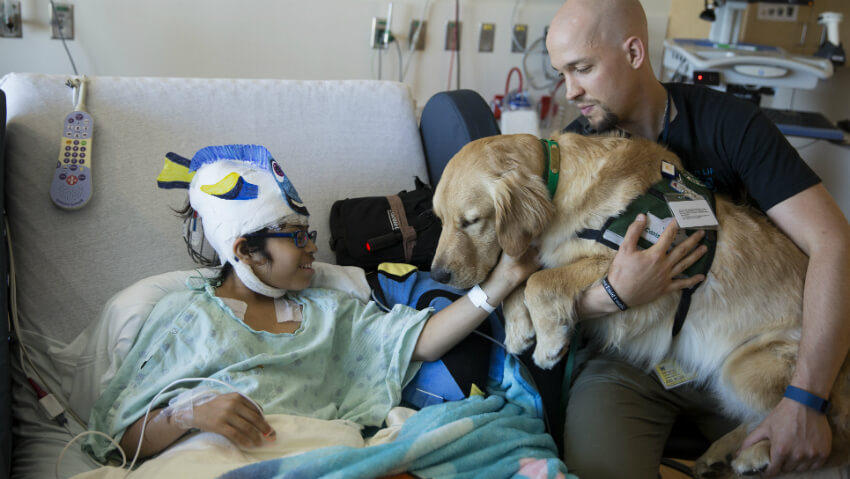
Therapy dogs can bring more than joy and comfort to hospitalized kids. They can also bring stubborn germs.
Doctors at Johns Hopkins Hospital in Baltimore were suspicious that the dogs might pose an infection risk to patients with weakened immune systems. So they conducted some tests when Pippi, Poppy, Badger, and Winnie visited 45 children getting cancer treatment.
They discovered that kids who spent more time with the dogs had a six times greater chance of coming away with superbug bacteria than kids who spent less time with the animals. But the study also found that washing the dogs before visits and using special wipes while they’re in the hospital took away the risk of spreading that bacteria.
…
The Baltimore study looked at 45 children who interacted with the four dogs — petting, hugging, feeding, or playing with them — over 13 visits in 2016 and 2017.
Among kids who had no MRSA, the researchers found the superbug on about 10 percent of the samples taken from those kids after the dog visits. They also found MRSA on nearly 40 percent of the samples from the dogs.
…
The researchers think the dogs were generally clean of MRSA when they first came to the hospital, but picked it up from patients or others while they were there.
We are living in a new Dark Age in Europe where innovation and technology are being rejected at an alarming rate. While reactionary pressure is being seen from chemicals to pharmaceuticals and from vaccines to food manufacturing, nowhere has the situation been as severe as in plant biology and agritechnology. At events, panels and debates in Brussels, it often feels as if scientists and researchers from this sector are not welcome at the table.
…
It took the EU three years to renew the authorisation for glyphosate (for five instead of 15 years) despite the overwhelming scientific consensus. A variety of novel plant breeding technologies are being held in EU regulatory limbo by a band of anti-industry activists and organic food industry opportunists. Groups in UNEP and the FAO are investing in faith-based agroecology theories at the peril of Western agricultural models. Seed treatments are out of favour following from the EU ban on all neonicotinoids (even non-flowering crops like sugar beets), leaving farmers to use older, less efficient pesticides (that are often more hazardous to pollinators).
It is not a good time to be a seed researcher in Europe.
In the crop science industry, China has a reputation for taking a long, long time to approve new genetically modified traits for import …. The delays come with a cost for North American farmers, who often cannot adopt new and innovative varieties of soybeans, corn and canola until China gives a thumbs up to the technology.
The United States-Mexico-Canada Agreement, announced in late September, obviously doesn’t include China, but it could help create a future where China and other countries have consistent policies for plant biotechnology.
“The major benefit of this language in the USMCA is it sets a new standard … to prevent (trade) barriers related to plant breeding innovation,” said Brian Innes, president of the Canadian Agri-Food Trade Alliance.
…
Ag biotechnology isn’t a sexy part of any trade agreement, but the Office of the U.S. Trade Representative highlighted it as an important achievement of the USMCA.
…
The actual text includes a section on reducing disruptions to trade of products of agricultural biotechnology, including timely reviews of applications for approval.
It also mentions how to manage low level presence of biotech traits and establishes a working group for co-operation on agricultural biotechnology.
Read full, original article: Trade deal clears air on biotech
When Leigh Ann Torres was in her 29th week of pregnancy, she experienced a sudden, 14-pound weight gain along with terrible swelling in her legs and feet. At a visit to her doctor in Austin, Texas, a test showed protein in her urine—a telltale sign of a rapidly progressive disorder called preeclampsia.
…
Torres’ experience, though terrifying, was typical. The signs and symptoms of preeclampsia don’t show up until after the 20th week of pregnancy—at which point the only interventions are to monitor the patient closely or deliver the baby early.
…
There are new screening protocols that can detect preeclampsia early in a pregnancy, when intervention to prevent it is still possible. But they are complicated and expensive to implement. That’s why some researchers are pursuing a simple, portable and inexpensive test that can detect preeclampsia in the first trimester.
…
[Researcher Noam] Shomron and colleagues are planning to develop a cheap, portable blood test to detect preeclampsia in the first trimester based on biomolecular markers. In his lab at Tel Aviv University, Shomron holds up a handheld, mobile-phone–sized DNA sequencing device made by Oxford Nanopore Technologies. In the future, “this could be a preeclampsia test,” he says. It would only require a drop of blood from a patient’s finger.
People opposed to or afraid of genetically modified organisms (GMOs) complain that GMOs are unsafe and unnatural. What do those words mean? Is something inherently safe just because it is natural? Does choosing natural food or organic food guarantee safer or healthier food?
…
Are GMOs natural? A knee-jerk reaction may be, “Of course not! They were produced in a lab!” But consider these comments. GM crops are grown in fields just like conventional and organic crops. They use similar production and management systems, except organic is restricted to mostly naturally derived chemicals …. Agrobacterium, the primary vector used to insert genes in GM crops, was chosen for that task because it regularly transfers its own bacterial DNA into plants in nature.
In fact, Agrobacterium genetically modified the sweet potato by transferring its own bacterial DNA into the crop during early domestication in the Americas several thousand years ago. (Read more at bit.ly/2NnbQpB.) Sweet potatoes are naturally transgenic!
…
Organic and natural do not guarantee health or safety benefits. There may be benefits to buying organic foods, but buzzwords used in marketing those foods may lead you astray from the science. Two decades of research has demonstrated that foods produced from GM crops are just as safe and nutritious as foods from non-GM crops.
Read full, original article: NAICC: IS NATURAL FOOD SAFE FOOD?
Crime-drama fans know that forensic scientists can ID the remains of long-missing persons by examining their teeth. To solve even more ancient mysteries, anthropologists use the same kind of cutting-edge tooth technology, and a European team may have cracked a very cold case indeed—one that’s almost half a million years in the making.
A fossil tooth study published [October 3] in the journal PLOS ONE analyzes some of the oldest human remains ever found on the Italian Peninsula. The teeth, which are some 450,000 years old, have some telltale features of the Neanderthal lineage of ancient humans.
…
The species Homo neanderthalensis shares an unknown common ancestor with our own species, Homo sapiens, but it’s unclear exactly when the lineages diverged.
…
To help to take a bite out of that gap, Clément Zanolli of the Université Toulouse III and colleagues used detailed morphological analyses and micro-CT scanning techniques to painstakingly measure the 450,000-year-old teeth. The teeth were then compared, inside and out, to those of other ancient human species, revealing that they have Neanderthal-like features.
“With this work and other recent studies, it seems now evident that the Neanderthal lineage dates back to at least 450,000 years ago and maybe more,” Zanolli says in an email. “This age is much older than the typical Neanderthals.”
A University of California, Berkeley professor stands at the front of the room, delivering her invited talk about the potential of [gene editing]. Her audience, full of organic farming advocates, listens uneasily …. a man [gets] up from his seat and [moves] toward the front of the room …. she watches him bend over, reach for the power cord, and unplug the projector …. So much for listening to the ideas of others.
…
Opponents argue that CRISPR is a sneaky way to trick the public into eating genetically engineered foods. It is tempting to toss CRISPR and genetic engineering into the same bucket. But even “genetic engineering” and “CRISPR” are too broad to convey what is happening on the genetic level ….
…
In the six years since the genome editing capabilities of CRISPR were unlocked, academics, startups and established corporations have announced new agricultural products …. Some of these focus on traits for consumer health, such as low-gluten or gluten-free wheat for people with celiac disease. Others, such as non-browning mushrooms, can decrease food waste.
…
In 2016 and 2017, the U.S. National Organic Standards Board (NOSB) voted to exclude all genome-edited crops from organic certification …. But in my view, they should reconsider …. Collaborative problem-solving by organic …. growers, specialists in sustainable agriculture, biotechnologists and policymakers will yield greater progress than individual groups acting alone and dismissing each other ….
Brain surgery is not usually something that people actively seek out. However, there may be an exception: the idea of the removal of the amygdala seems to hold a fascination for many people.
…
So what’s going on? Those curious about amygdala removal seem to see it as the embodiment of fear, anxiety and stress. Would its removal really render you fearless? What would the side effects be?
…
[T]here do exist cases of ‘natural amygdalectomy’ in otherwise healthy people. The most famous such patient is called SM, who suffers from a rare genetic disorder called Urbach-Wiethe disease, causing her to suffer selective degeneration of the amygdala bilaterally.
Patient SM has been referred to as the “woman without fear”, as she displays no fear of snakes and spiders, or threatening situations, and is reported to be able to discuss traumatic events in her life with no distress whatsoever.
…
[However,] SM has been reported to have some difficulties in social interaction, including an impaired ability to take the perspective of others, and possible difficulties making eye-contact.
So, while ridding oneself of the curse of the amygdala might be technically possible, it’s not clear that it would be a good thing. Ultimately, evolution gave us the amygdala for a reason, and a life without fear might be a shortened one.
The Delhi High Court [October 12] dismissed biotechnology firm Mahyco Monsanto Biotech’s plea challenging the fair trade regulator’s order to investigate [the company] for alleged abuse of [its] dominant position in [India’s] Bt cotton business. Competition Commission of India (CCI) can now proceed to investigate office bearers of Monsanto, officials …. said, referring to the probe that was ordered in 2016.
…
CCI …. said the conduct of [Monsanto] …. appears to be in violation of the Competition Act …. by charging unreasonably high fees for Bt cotton seeds. During the course of the investigation, the director general of CCI …. sought certain information with respect to office bearers of Monsanto ….
…
[A] Monsanto spokesperson said, “Monsanto has completely cooperated with the CCI and the director general’s office in the ongoing investigation. We have provided information requested by the CCI, including making individuals available for deposition to enable the investigation.
“More than half (56 percent) of people who attempt to come off antidepressants experience withdrawal effects,” assert the authors of a major new metastudy, and almost half of them (46 percent) describe the effects as “severe.”
…
The metastudy, “A systematic review into the incidence, severity and duration of antidepressant withdrawal effects,” points to a problem far-more widespread and persistent than regulators have acknowledged. Current guidelines “underestimate the severity and duration of antidepressant withdrawal, with significant clinical implications.” At such, the guidelines themselves cannot accurately be seen as evidence-based. They are instead misleading, at odds with the findings, and “in urgent need of correction.”
…
Comments shared by patients included: “It took me two months of hell to come off the antidepressants—was massively harder than I expected.” Another wrote, “While there is no doubt I am better on this medication, the adverse effects have been devastating, when I have tried to withdraw, with ‘head zaps,’ agitation, insomnia and mood changes.”
…
Given the scale and gravity of these results, patients concerned about the drugs’ adverse effects are strongly advised NOT to terminate treatment abruptly, but instead to taper carefully and gradually by microdoses over a course of several months, always in consultation with their doctor, to ensure their own safety.
The continuing debates over whether the herbicide glyphosate or the insecticide class of neonicotinoids (neonics) could—or should—remain available for farmers and other users has been met with simplistic arguments both pro and con:
Pro ban: These chemicals are dangerous, they may kill bees and other life and shouldn’t be allowed near our food. Anti ban: These chemicals have been widely tested and proved safe, they are absolutely necessary and if removed from the market will force farmers to use more ineffective and dangerous chemicals.
Which answer is more accurate? Neither, because farmers take a far more nuanced approach to pest management than these two divergent views suggest.
The French government on August 31 banned five neonics from use in agriculture. The decision was hailed by beekeepers and environmentalists, and protested by farmers. Meanwhile, glyphosate is guaranteed to be up for debate at least in the European community, as temporary approvals mean another round of debates and suspense.
Do farmers answer their pesticide questions with the popular “either or” or “if not this, then that” approach? Not really, farmers and agriculture experts say.
The decision on which pesticide to use, at which time, and on what crop, and to stave off which pest, is not taken lightly. There are regulations, on the nation and state level, on how this is done. In California, farmers by law can take recommendations about commercial pesticide applications only from licensed pest control advisors, and it’s their job to keep up on current regulations and products.
Jeffrey Bradshaw, assistant professor of entomology at the University of Nebraska, detailed what goes through a farmer’s head when making these decisions:
Decisions on pesticide use (or any input cost for that matter) are strongly governed by crop value and risk perception. Generally speaking, the higher the crop value, the more risk averse the crop manager is going to be. The sensitivity to this risk is going to vary somewhat by crop, cropping system, and environment. Now seed-applied insecticides (and transgenic technologies) challenge this equation somewhat because the cost of the treatment (in the case of transgenic seed or treated and packaged seed) is masked and their use is not based on scouting decisions, but field history. Depending on the pest, field history may or may not be the most accurate “action threshold” on which to base next year’s seed purchase.
What would happen if a seed treatment like the neonics were banned? Bradshaw said:
Were seed treatments banned from use would it result in more toxic insecticide use? It’s hard to say. Upon the adoption of transgenic traits and seed treatments, many growers abandoned their in-furrow insecticide application equipment to the scrap yard. Current crop values generally do not seem to be supportive for growers to invest more in equipment. Though if there were an EPA ban on seed-applied insecticides, some growers would drag out their old granular applicator boxes or look into tank-mixing an insecticide with their lay-by fertilizer application.
Agricultural extension agencies also provide sophisticated online tools to help farmers wade through the variety of pesticides and farming conditions to help arrive at solutions. Removing a pesticide from consideration does not mean, therefore, that a farmer will cease to use agricultural chemicals. He/she will have to use others that are available.
Some of these chemicals leave a more toxic legacy behind their use, and still more are less specific than others, meaning that they can harm beneficial insects or other crops. In an article for the Genetic Literacy Project, Food Farm Discussion Lab editor Marc Brazeau quoted farmers who reacted to a ban on the glyphosate herbicide:
Higher rates of pre-emergence control combined with 2,4D or Gamoxone (paraquat), possibly Liberty/glufosinate, but that is more costly. We do already rotate modes of action so if we burn down cover crop with glyphosate we will use gramoxone in our pre-emergent spray.
Another farmer said;
I used diquat this year as a defoliant but use glyphosate for no-till. We don’t have paraquat here and I’d not use it anyway due to the toxicity.
Brazeau also compared the No Observable Effect Level (NOEL), a dose at which animal exposure had no effect on the animal:
But glyphosate is the only chemical on this list that can be used with crops genetically modified to resist its effects, making it a target of activism. Meanwhile, all chemicals make up part of the farmer’s arsenal, and all, while closely regulated, pack some degree of danger, especially if not used correctly.
Follow the latest news and policy debates on sustainable agriculture, biomedicine, and other ‘disruptive’ innovations. Subscribe to our newsletter.
These issues are not lost on organic growers, either. Phil McGrath, an organic grower in Oxnard, California, told the Los Angeles Food Policy Council in 2013 that “Because we’re an organic farm, insects can be a problem, but using soaps and oils for insect control is still less expensive than commercial pesticides.” McGrath observed that since two soil fumigants useful for growing strawberries were banned, many farmers looked toward growing other crops (a major financial decision, since strawberries are a very high-value crop). McGrath’s farm rotates among crops, and “We started using rice hulls as an organic fumigant. Incorporating them below our strawberry plant bed to keep soil-borne diseases and pests away. Some preliminary trials have shown better results lasting up to three years.”
Variety also is important to fend off resistance to the pesticide, which has afflicted nearly every type of agricultural chemical that’s ever been used. Not using glyphosate may be an intelligent choice in this case, switching, as many farmers have, to 2,4D or dicamba, or even atrazine. Given that there hasn’t been a new herbicide designed against a novel biological target in 30 years, the need for variety is even greater.
Whatever the pesticide, anything used on a farm must have passed through approval by federal agencies, including the US Environmental Protection Agency. These approvals not only evaluate overall toxicity, but also recommend the dosages to be used on farms and, ultimately, the amounts of residues on food sold to consumers considered safe.
Seen in Integrated Pest Management
Any decision, such as banning glyphosate, essentially limits choice for no rational reason, which makes Integrated Pest Management less rational and therefore less ecological. IPM is a darling of environmentalists, because many believe that it is a more “natural” way to grow food without the use of pesticides. While most farmers do not adopt every rule of IPM, it is used more as a spectrum of adoption, with some practices adopted and others ignored. But even among ardent users of IPM, using agricultural chemicals is still part of the equation.
Terry Daynard is a grain farmer in Ontario who was executive vice president of the Ontario Corn Producers Association and a former University of Guelph crop science professor. In an interview, he said:
I would expect that anyone who is seriously in this business employs IPM to some degree. You can’t afford not to. For weeds you keep records of what weeds are where this year and plane your initial herbicide applications around that for next year. Then you scout the crop regularly and apply subsequent applications if needed depending on the nature of the weed problem to follow. For example, I planted glyphosate-tolerant corn this spring though the initial herbicide applied was a different chemical. My plan was to apply glyphosate if needed when the corn was about knee high. However, scouting at that time said that the weed density was low enough that further herbicide application was not needed. Hence, my glyph-tolerant corn never did see glyphosate in 2018.
So, yes, we use IPM in some manner and the pesticide application programs usually differ for each year – often each field too. When a product is removed or restricted, farmers adjust as best they can – and if they can’t control the problem, they shift to other crops. We are seeing the latter in northern Europe where, without neonic seed treatments and resulting flea beetle damage to oilseed rape, some farmers are spraying much more with other products. Other farmers have just stopped growing that crop.
Andrew Porterfield is a writer and editor, and has worked with numerous academic institutions, companies and non-profits in the life sciences. BIO. Follow him on Twitter @AMPorterfield
Wanting to know your ancestry is a powerful motivator that many DNA testing companies such as 23andMe and Ancestry.com have exploited for great profit. But apart from individual curiosity, genetic studies into our ancestry also offer the ability to peer into the history books, offering a DNA time machine, and a unique window into the history of civilized people.
In the largest study of its kind conducted so far, researchers at 23andMe and Harvard University have published the results of a genetic analysis of ancestry among the American people.
The study itself is quite impressive, conducted with 160,000 people who agreed to allow their data to be used anonymously for research purposes when they submitted their DNA for analysis with 23andMe. Such huge sample numbers, which are “an order of magnitude bigger” according to an author of the study, allows for a much more thorough analysis than ever before, helping the authors produce a detailed geographical map of ancestry in the United States. Three major population groups considered in the study: African-Americans, European Americans and Latinos.
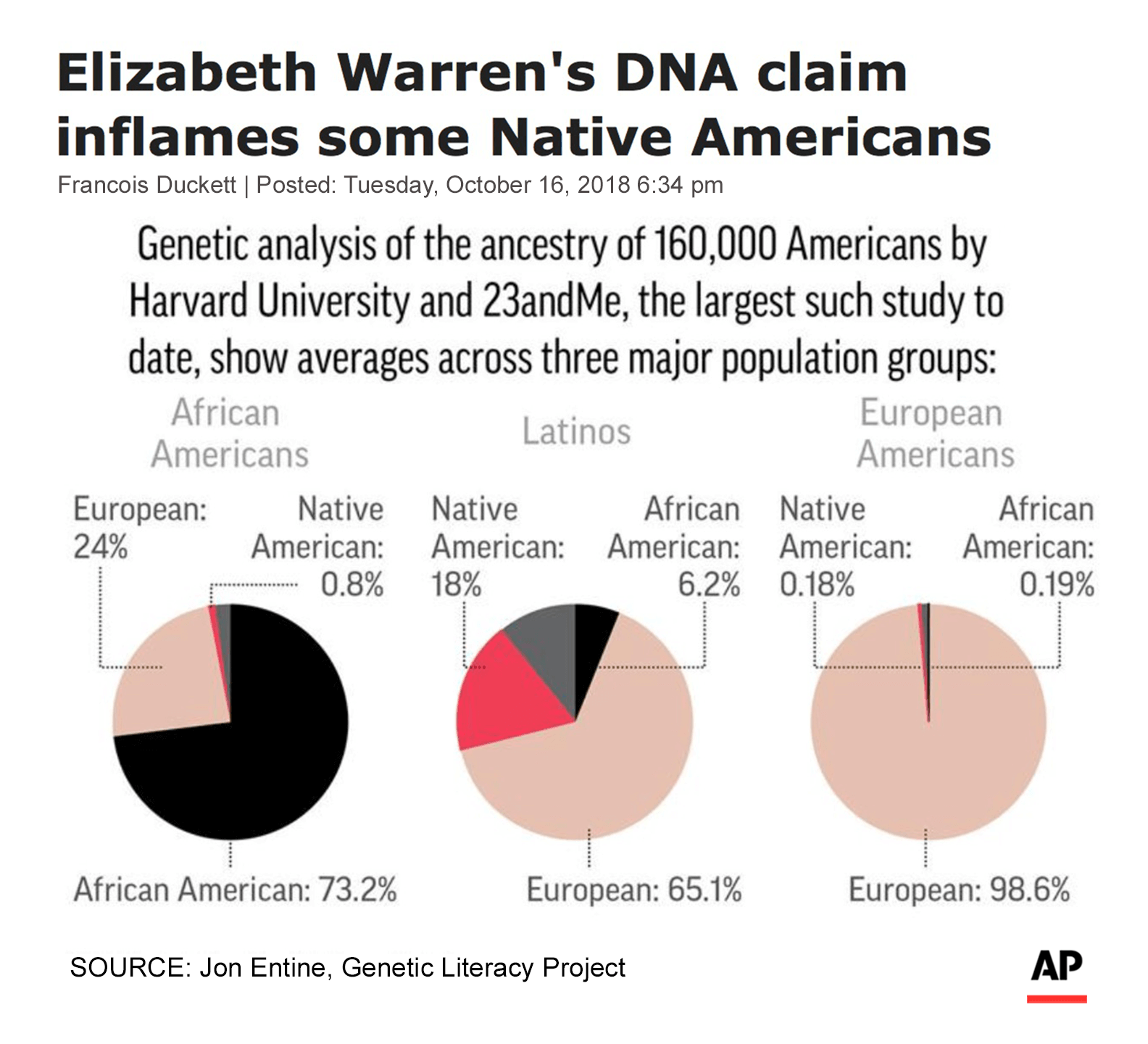
Broadly, the genomic analysis found that on an average the African American genome was 73.2 percent African, 24 percent European and 0.8 percent Native American. Latinos as expected had significantly more Native American ancestry with the average Latino genome being 18 percent Native American, 65.1 percent European and 6.2 percent African.
With respect to European Americans, the percentages are much more different than African Americans or Latinos, with European American genomes being 98.6 percent European, 0.19 percent African and 0.18 percent Native American. In general, the numbers seem to agree with what one would expect given the history of American colonization by Europeans and their interactions with African and Native Americans.
It should be noted that these are averages across populations that say nothing about any individual. Any one person could have significant amounts of ancestral DNA from other populations, including ones not captured in these statistics. And increased marriage among ethnic and racial populations will change these numbers over time.
Detailed percentages of ancestry in the various geographical regions showed relatively wide variations in the ancestry which seem to corroborate historical events.
What are the social implications of this study? DNA does not confer identity. The title of Carl Zimmer’s New York Times article on the research “White? Black? A Murky Distinction Grows Still Murkier,” seems to suggest that the genetic data show that racial divides have significantly blurred as populations have mixed
In the United States, there is a long tradition of trying to draw sharp lines between ethnic groups, but our ancestry is a fluid and complex matter.
“We use these terms — white, black, Indian, Latino — and they don’t really mean what we think they mean,” said Claudio Saunt, a historian at the University of Georgia who was not involved in the study.
Geneticist Razib Khan, who is of Indian ancestry, has a different view however (emphasis his):
What genetics is showing is that in fact white Americans are shockingly European to an incredibly high degree for a population with roots on this continent for 400 years. If we removed all the history that we take for granted we’d be amazed that the indigenous peoples had so little demographic impact, and, that the larger numbers of people of partial African ancestry did not move into the general “white” population.
Steve Sailer, a long time writer on race and ethnicity, agrees with Khan, with some quick back–of–the envelope calculations to show how…
…whiteness in modern America turns out to be not very murky at all. These findings of 0.19 percent black and 0.18 percent American Indian are tiny numbers.
Think about your family tree back nine generations ago, which would mostly be in the 1700s. You have 512 slots in your family tree nine generations ago (two to the ninth power). The 23andMe numbers suggest that for the average white American, 1 of your 512 ancestors nine generations ago was black and 1 of 512 was Native American.
Here’s another way to think of it. If the average self-identified black is 73.2 percent black and the average self-identified white is 0.19 percent black, then the average black in America is 385 times blacker than the average white. That doesn’t seem very murky to me.
Editor’s note: This article was originally posted on the GLP on January 7, 2015 and is reposted to provide some context to the controversy over Senator Elizabeth Warren’s possible American Indian ancestry. This story led the Associated Press to design a graphic, below, which helped reader’s in 106 countries that receive the AP feed separate fact fiction.]It is important to note that the study has several potential biases that should be taken into account such as the socio economic status of those who might have purchased the test and, as Carl Zimmer reported in his piece, the fact that people of mixed race are more likely to take the test out of curiosity. Nevertheless, the large sample size lends unique credibility and the trove of data will no doubt continue to yield very interesting results about how the ethnicity of the current American population came to be.
Follow the latest news and policy debates on sustainable agriculture, biomedicine, and other ‘disruptive’ innovations. Subscribe to our newsletter.
For now the interpretation of blurred racial divides might not be quite accurate, and as geneticist Razib Khan points out, it might be a many years before all the genetic and ancestry data can be interpreted with any degree of accuracy. (emphasis his).
But, with the rise in intermarriage and a clearly mixed-race Latino population the lines between the races will become blurred genetically more and more. A substantial number of American children today are multiracial, and that fraction looks to increase. If 23andMe did a survey of American genetics 25 years from now I’d be much more amenable to the interpretation that the media is putting on this survey.
Arvind Suresh is a science communicator and a former laboratory biologist. Follow him @suresh_arvind
In the past two years alone, three major corporate mergers have begun to reshape what was an already concentrated international market for agricultural chemicals, seeds, and fertilizers. If the mergers gain approval from their relevant regulatory agencies, these six multinational corporations would fold into three (Dow-DuPont, Bayer-Monsanto, and ChemChina-Syngenta), and have a profound impact on the future of global agriculture.
…
Altogether, the combined assets across the three new companies would amount to $352.14 billion and their combined total revenue would be $189.76 billion. These deals alone will place as much as 70 percent of the agrochemical industry and over 60 percent of commercial seeds in the hands of only three companies.
…
If greenlighted by government bodies in the US and abroad, the mergers and acquisitions of large multinational agribusiness industries—such as the merging of Bayer and Monsanto, Dow and DuPont, and ChemChina and Syngenta—will have global ramifications. Such corporate mergers would further undermine food security and poverty reduction plans; disrupt trade flows; and accelerate corporate control, consolidation, and monopolization of global, regional, and local food systems by a few agribusiness corporations. Ultimately, these mergers would come to the detriment of small and mid-size farmers, rural communities, consumers, and societies at large.
Only a small percentage of people in their 50s and early 60s have had their DNA tested—for medical reasons, to learn their ancestry, or out of curiosity—but far more have an interest in getting such tests done.
…
But that desire to know more about their risk of disease or heritage comes with a grain of salt. Two-thirds of those who responded to the survey say they thought genetic testing could lead them to worry too much.
…
Even those who get direct-to-consumer genetic tests mainly to learn about their ancestral heritage could end up being “blindsided” by findings showing that they have a high risk of diseases.
…
Newer clinical trials of drugs that aim to prevent, delay, or slow progression of memory loss and other cognitive problems are actually looking to enroll people who have a higher-than-usual genetic risk of Alzheimer’s. So those who elect to buy such a test, or who have a doctor who orders one for them because of family history, may now have an action they can take based on their results.