What causes cancer? Challenge is distinguishing ‘between myth and reality’

lung cancer cell dividing article v
The individuals, academic labs, and “cancer-for-hire” environmental groups have “done” their job splendidly in misleading and confusing the American public about which causes of cancer are real and which are false. For example, the shameless internet supplement peddler Joe Mercola claims that aspartame causes cancer (it doesn’t) but this misinformation has nonetheless been firmly embedded in our consciousness. The same holds true for many other chemicals, in which claims of cancer risk are either exaggerated or even made up entirely.

The obvious harm from these phony scares is that people will throw up their hands and say that “everything causes cancer,” so why not smoke? It is impossible for an average citizen to separate real from unreal, and theoretical risk from actual risk. What is a myth? What isn’t?

This confusion is the essence of a recent article that appeared in the European Journal of Cancer entitled “Prevalence of beliefs about actual and mythical causes of cancer and their association with socio-demographic and health-related characteristics: Findings from a cross-sectional survey in England.” Dr. Lion Shahab of the Department of Behavioural Science and Health in London and colleagues examined the beliefs of a representative group of Brits to determine whether people identified myths or legitimate causes of cancer. Although more of the group got cancer factors right, a disturbingly high percentage of the group believed in the myths, for example, food additives or electromagnetic fields.

cancer 5 7 18 2The belief in mythical causes of cancer is not a trivial matter. Since between one-third and one-half of cancers are preventable by changes in lifestyle it is critical that people are able to distinguish between myth and reality. The Shahab group used a tool called the cancer awareness method (CAM, BMJ in 2009), which was designed to measure the awareness of cancer by the general public but modified the method to also include the awareness of myth to the public ( CAM-MYthical Causes Scale, or (CAM-MYCS).

More than 1,300 people participated; the method of selection is quite detailed. The participants were given a list of 11 known carcinogens and 12 factors that are erroneously associated.

Some of the highlights:

  • 40% identified both food additives and alcohol consumption as a cause. Only the second is true.
  • Cell phone use (false) and HPV (true) received similar scores (26% and 29% respectively)
  • GM foods (false) and lack of exercise (true) both got scores of ~ 35%.
  • The range of right answers (29-86%) was greater than that of the wrong answers (14-41%) but is still surprising that more than 40% of people incorrectly picked food additives and stress
  • Socioeconomic factors played a part in the answers.

Some additional finding:

Incorrectly endorsing mythical causes of cancer was not associated with engaging in riskier health behaviours in our study. This is reassuring insofar as it would suggest that simply holding incorrect beliefs about mythical cancer causes does not necessarily result in poorer lifestyle choices. However, the fact that a third of participants believe that factors such as stress, genetically modified food, food additives and electromagnetic frequencies cause cancer highlights the need to continue monitoring risk perceptions

There is one finding that may seem odd:

Incorrectly endorsing mythical causes of cancer was not associated with engaging in riskier health behaviours in our study

Even when people gave the wrong answers this did not mean that they engaged more often in behaviors that are known to cause cancer. In other words, ignorance about the causes of cancer did not correlate with smoking, alcohol use, etc.

But the reverse is not true:

The finding that those who were better at identifying actual causes of cancer were also worse at identifying mythical causes of cancer was unexpected.

While this finding may seem strange there is a valid explanation. It suggests that a group of people were so concerned about getting cancer that they avoided both the real risk and the false ones.

Josh Bloom joined the American Council on Science and Health in 2010 as ACSH’s Director of Chemical and Pharmaceutical Sciences, and has published about 40 op-eds in numerous periodicals, including for The Wall Street Journal, Forbes, New Scientist, The New York Post, National Review Online, The Boston Herald and The Chicago Tribune.  Follow him on Twitter @JoshBloomACSH. 

A version of this article was originally published on the American Council on Science and Health’s website as “Cancer Beliefs Are Based On Myths, Way Too Often” and has been republished here with permission.
Talking Biotech: Probing the psychology of consumers who fear GMOs

foodfear

Dr. David Just studies human behavior and how psychology ties in with economic decisions. His work at Cornell examines the interesting overlays that cause consumers to behave how they do. In this podcast we examine consumer decisions in food, including a discussion about soft drinks, ketchup, meat, and ingredients from genetically engineered crops. We also touch on the “GMO labeling” issue.

Follow Dr. Just: @DavidJust1

Also follow his podcast discussions at @MadHatEconomics

And download here.

Like the podcast? Please subscribe and write a review! Stitcher iTunes Player FM Pod Directory TuneIn

Visit the Talking Biotech website

Follow Talking Biotech on Twitter @TalkingBiotech

Follow Kevin Folta on Twitter @kevinfolta | Facebook: Facebook.com/kmfolta/ | Lab website: Arabidopsisthaliana.com | All funding: Kevinfolta.com/transparency

Follow Paul Vincelli on Twitter @Pvincell | University of Kentucky webpage 

Ratooning: Nuclear technology helps Chinese rice farmers double their yields—and their incomes

ratoon

Just as grass lawns regrow after they are mowed, rice fields can regrow after they are harvested. This second harvest – known as a ratoon crop – has traditionally yielded only a small fraction of the first harvest. But farmers in China are now benefitting from laboratory and field studies …. that used nuclear techniques to determine the best rice varieties and the best fertilizer regimes for increasing second harvest yields, often resulting in second harvests as large as the first – meaning the farmers who ratoon correctly are doubling their yields – and their income.

…

[Scientists] began working on improving the outcome of rice ratooning – also called “stubble cropping” – in China’s Fujian Province in 2012. This included studying fertilizer and water management practices for Jiafuzhan, an early maturing rice variety developed by Chinese plant mutation breeders.

…

In addition to working with China’s mutation breeders to develop and promote climate-resilient early-yield varieties, [researchers] used nitrogen-15 stable isotope tracing to determine the optimum application rate for nitrogen fertilizers.

…

[F]armers who adopted the combination of improved varieties and fertilizer management saw yields almost double from 6.7 to 12.3 tonnes per hectare …. Once the results were known, other farmers were eager to adopt the improved varieties and fertilizer management practices, and now ratooning is underway on 42 000 ha.

Read full, original article: Rice Fields in China Double Yields by “Ratooning”

DNA could be key to identifying remains of US soldiers turned over by North Korea

remains

The U.S. military remains released by North Korea on Friday [July 28] will be sent to a military lab in Hawaii, where they’ll enter a system that routinely identifies service members from decades-old conflicts.

Identifications depend on combining multiple lines of evidence, and they can take time: Even after decades, some cases remain unresolved.

…

If a DNA analysis is called for, samples are sent to a military DNA lab at Dover Air Force Base in Delaware.

Tiny samples of bone or teeth, no bigger than the amount of bone in the last joint of the pinkie finger, are enough to yield usable DNA, said Timothy McMahon, who oversees the Dover lab as director of Defense Department DNA Operations.

…That DNA is then compared with genetic samples from living people who are related to the missing.

The military has been collecting DNA from such family members since 1992, and has reached the relatives of 92 percent of the 8,100 service members who were listed as missing at the end of the Korean War, McMahon said.

The goal is to find bits of DNA in common between the known relatives and the unidentified remains, suggesting both belong to a particular lineage.

Read full, original post: DNA to X-ray: To ID remains from North Korea, military has a range of tools

Elephants rarely get cancer. Can humans borrow their genetic strategies?

elephant head on

Elephants have 100 times as many cells as humans. But they seldom get cancer. This is surprising, because cancer is a result of cell division gone wrong, and the more cells an organism has, the higher the chances that some will mutate into tumors.

…

It turns out that cancer does not strike all species equally: Some animals have evolved powerful strategies to keep the disease at bay, while others are particularly vulnerable.

Scientists are increasingly exploring this interspecies variation in cancer rates, hoping to learn more about how cancer works in humans and to identify better ways of treating or preventing it.

…

Joshua Schiffman — a pediatric oncologist [at the University of Utah] — and colleagues have found that elephants have 40 copies of the TP53 gene, which suppresses tumor cells before they can grow and spread. By comparison, humans and most other animals have only two copies… The elephants’ approach appears to be a unique evolutionary strategy for fighting cancer.

…

Elephants are not the only animal with unusually low rates of cancer. Using data from zoos and veterinarians as well as anecdotal reports from the wild and lab research, scientists know or suspect that other creatures, including mole rats, gray squirrels, horses, whales and bats, rarely get cancer.

…

Eventually, it may be possible to use gene therapy, genetic engineering or pharmacology to apply animals’ cancer strategies to humans.

Read full, original post: Rarity of cancer in elephants may help explain cancer in humans.

As ‘GMO-free’ food market booms, Nestlé sued for mislabeling products containing GMOs

Nestlé is facing a federal class-action lawsuit in Los Angeles alleging it sold products labeled as having “No GMO Ingredients” with genetically modified organisms.

The corporate parent behind such food brands as Stouffer’s frozen dinners …. is accused on designing a seal on its product packaging with the intention to trick consumers into thinking that its products were certified by the non-profit Non-GMO Project, [whose] …. Non-GMO Project seal …. is on more than 43,000 products. The suit also alleges that Nestle sold dairy from cows fed GMO grain, a violation of the non-profit’s standards for its Product Verification Program.nongmo

….

Nestlé, for its part, described the allegations as “baseless” and denied that it had broken the law.

“Our product labels that declare the absence of GMO ingredients are accurate, comply with FDA and USDA regulations and provide consumers with information to help them make informed purchasing decisions.” the company said in a statement to CBS MoneyWatch. ”

…

[I]nterest in products without GMOs is on the rise. According to market research firm Euromonitor, sales of GMO-free products in America are expected to hit $19.2 billion in 2022 compared with $15.5 billion in 2016, while worldwide sales are expected to rise to $37.6 billion from $31.1 billion during that same period.

Read full, original article: Nestle misled consumers about GMOs in its food products. lawsuit alleges

Alternative medicine a scam? New book exposes the lack of scientific rigor of ‘complementary’ treatments

iStock

As the world’s first professor of complementary medicine, Dr. Edzard Ernst set out to apply rigorous scientific standards of evidence to find out which alternative medicine treatments worked and which didn’t. After 25 years of research and a torrent of published studies, he had determined that most of them didn’t. A lot of people were unhappy about his conclusions, and Ernst was forced into early retirement.

…

Recently he teamed up with a medical ethicist, Kevin Smith, to write More Harm than Good: The Moral Maze of Complementary and Alternative Medicine. In it, they argued that complementary and alternative medicine (CAM) is unethical. Now he has written another book, SCAM: So-Called Alternative Medicine, showing that the very term alternative medicine is itself a scam. He explains,

Whatever it is, it is not an alternative:

  • if a therapy does not work, it cannot be an alternative to medicine;
  • if a therapy does work, it does not belong to alternative medicine but to medicine.

…

In a Postscript, Ernst says the book is not intended as a text against but a plea for something. His aim was to stimulate the reader’s ability to think critically about SCAM and about healthcare in general. … It might induce conventional healthcare professionals to remember that time, compassion, and empathy are some of their core values which cannot be delegated to others.

Read full, original post: Calling SCAM a Scam.

Low cholesterol oil? Indian scientists developing CRISPR gene-edited groundnut

peanuttt

Soon, weight watchers and those with high cholesterol won’t have to think twice before picking up the jar of groundnut oil from supermarkets. Scientists are all set to help farmers grow groundnut which will be free of cholesterol, the waxy substance most dreaded for clogging arteries.

Using the latest genome editing technology, a team of researches at Junagadh Agriculture University (JAU) have started working on making cholesterol-free groundnut.

…
JAU is the only third university in India after Mohali Agriculture University and Jawaharlal Nehru University to start using CRISPR/Cas9, the gene-editing technique by which parts of DNA are either removed or replaced with accuracy.

According to JAU scientists, two types of fatty acids- oleic acid and linoleic acids (OL) – make for 80% of oil in the groundnut. Linoleic acid raises cholesterol levels while oleic acid reduces this waxy substance often associated with heart diseases.

…
According to scientists, if the same process is done through traditional methods like cross-breeding, it would take seven or eight years to develop and another four years to pass regulatory proceedings. Genome editing can reduce this time to two or three years to get the same result.

Viewpoint: A field trip inside Green anti-GMO campaigning

save the planet

A few months ago, I went to [an] event called European Ideas Lab, organized in Brussels by the Greens/EFA, the green party in the European parliament.

… I believe there is common ground to be found with environmentalists about modern plant breeding.

…

I presented myself as having been anti-GMO…before …. learning about the overwhelming consensus on the safety of genetically engineered crops, discovering many applications of the technology that make farming more sustainable

…

I tried to argue that beneficial applications exist…drought tolerant maize, cassava resistant to brown streak virus, crops fortified with vitamin A and iron, etc. They are in many cases created in developing countries for their own farmers, but…This fell on deaf ears and was countered with the popular, though inaccurate, trope about multinational corporations controlling science ….

…

[While] environmentalists have legitimate reasons to be suspicious of industry…this sound skepticism [has] sunk into full-blown fanaticism that sacrifices science and technology on the altar of ideology. Maybe we should…consider listening to [pro-GMO] environmentalists with differing views such as Mark Lynas…This will not mean the death of the Green political movement. Simply that it’s capable of evolving without betraying its core values.

Read full, original article: A field trip inside Green anti-GMO campaigning

How probable is it that we’re alone in the universe?

alone

Earlier this year I wrote about two ways of looking at the probability of there being advanced alien civilizations – the Drake Equation and the Fermi Paradox, and how to resolve any apparent conflict between the two. The Drake Equation is simply a series of probabilities of all the factors necessary to have technological civilizations.

…

All we can do is input a range of possible answers and see what range of results it spits out. That is exactly what a new study from Oxford researchers did.

This “study” does not include any new information, it is simply a new analysis of the Drake Equation, inputting what they authors think are the most reasonable figures, including the full range of our uncertainty. They argue that the uncertainty is even greater than has been previously considered the case, and when the full range of uncertainty is taken into account, the answers to how many civilizations there are out there varies by orders of magnitude.

Most importantly, the range of possible answers to the Drake Equation equals 1 – meaning that humanity is the only technological civilization in the known universe.

…

They argue that their results resolve the Fermi Paradox, which is simply a question asked by physicist Enrico Fermi – If there are any alien civilizations out there, where are they?

Read full, original post: Oxford Study – Reanalyzing the Drake Equation

Kenya, Ethiopia show neighboring Uganda how to revive its dying cotton industry with pest-tolerant technology

uganda cotton

Cotton, once a cash cow in Uganda where growers aspired to outcompete each other in the acreage covered and income earned, could slowly become a crop of the past if nothing is done to curb the steady decline in its production.

According to data from the Cotton Development Organization, Uganda’s lint production in the 1970s exceeded 450,000 bales. (A bale is 185 kilograms). But in recent years, the highest amount of lint produced was barely 250,000 bales annually, occasionally dropping to 100,000 bales…the nation’s ginneries operating at merely 10 percent of their optimal capacity.

…

Dominic Etellu, a farmer and former chairman of Soroti District Farmers Association, comes from Serere district, a traditional cotton growing area in eastern Uganda. He blames the decline in cotton production in his area on the high costs of chemical pesticides and weeding.

Uganda is the only East African country to witness a consistent decline in cotton production. Though Ethiopia and Kenya experienced the same challenges as Uganda, those two nations responded by embracing cost-cutting [pest-tolerant] technology in cotton cultivation as an urgent measure to revive the sector.

…

If [Ugandan] lawmakers [ignore] the prevailing nonfactual information against GM crops, and adopt a good biosafety law, they could place Uganda right in step with Kenya and Ethiopia ….

Read full, original article: Uganda’s textile industry declines while its neighbors embrace GMO cotton

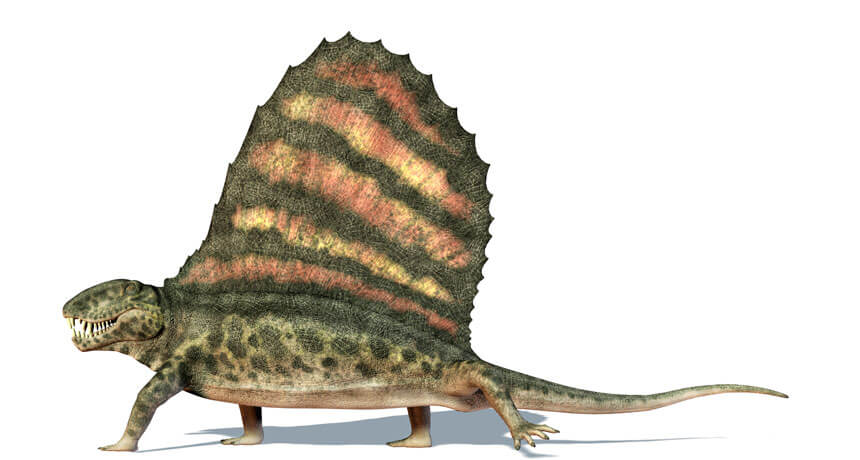
Paleocolor: What did dinosaurs look like? Shining a light on their true colors could illuminate behavior

dimetrodon diet header iStock XXXLarge

Long thought an impossible dream, the emerging field of palaeocolour is revolutionising our view of the prehistoric world, turning it from black-and-white into glorious technicolour.

…

Finding evidence of colour in the fossil record will do much more than simply tell us what hue to paint a T-Rex. Bones can fossilise but behaviour does not. “When we look at the animals and plants we see in the world around us we see striking colours and colour patterns,” says Maria McNamara from the University of Cork. “Animals use colour for camouflage, for avoiding predators, for mating signals and also for signalling within their social group. So evidence of colour in animals has the potential to tell us about this very enigmatic aspect of the biology of ancient organisms.”

…

Pigments produce colour by the selective absorption of certain wavelengths of visible light. Typical pigments include melanins, carotenoids (bright reds and yellows) and porphyrins (greens, reds and blues).

…

Combinations of these melanins alongside absence of pigment create grey, brown and white colours. If pigments had been preserved in the ink sacs [of fossilized squid, researcher Jakob] Vinther reasoned, then melanin – or the melanin-bearing melanosomes – might also be found in fossilised skin and feathers.

…

For McNamara, a key point is that melanin itself is not yet properly understood. “We need to learn more about melanin in modern animals before we go near fossils.

Read full, original post: Everything you thought you knew about dinosaur colours is wrong

Humans have never lived ‘in balance with nature,’ and we shouldn’t try to today

hunters

Before the agricultural revolution …. life was hard …. And there was no question of living in “harmony with nature.”

…

“Living in balance with nature” 300 years ago …. meant that a quarter to a third of your children never reached adulthood …. No human being living in an industrialized country would voluntarily become a farmer …. And what farmers planted at that time were not “natural” plant varieties, but results of millennia-long breeding.

…

There are people who have come up with the dirty word “anthropocentric.” Anyone who puts the fate of humanity above the fate of the rest of nature is somehow a bad person. Personally, I am committed to my anthropocentrism.

Do not get me wrong: Conservation is important …. For the love of nature, but above all for the love of ourselves, because a monocultural world with gigantic agricultural areas, on which there are only cows, pigs, chickens and farmed salmon, seems to me anything but worth living.

Nevertheless, we must save tens of billions of people from starvation …. [Genetically modified] plants that require less water, endure more heat, are less prone to pests and produce higher yields, could help. And incidentally, help stop destroying habitats for animals

Editor’s note: This article was originally published in German. This English summary has been prepared with Google Translate and edited for clarity.

Read full, original article: “Im Einklang mit der Natur” ist eine Täuschung

Can genes predict our chances of educational success?

img

The largest-ever genetic study on human cognition has found more than 1,000 links between people’s genes and how far they get in school.

The work, which involved DNA from 1.1 million people and researchers drawn from 40 institutions, led to a scoring system that can roughly predict how educated someone is by examining that person’s DNA.

Those with the lowest genetic scores had only a 10 percent chance of having graduated from college. By contrast, those in the highest quintile of genetic promise did so 50 percent of the time.

…

Until recently, however, scientists did not have the tools to locate the genes that influence human behaviors.

What’s changed is that researchers can now study far larger groups of people. That allows them to zero in on minute differences in the genome that, acting together, help explain how tall a person is, or how likely to develop a common disease like diabetes—or even how smart.

“This paper will [be] a landmark in this new kind of social science,” says Eric Turkheimer, a psychologist at the University of Virginia.

…

According to Daniel Benjamin, a behavioral economist at the University of Southern California who is one of the study’s lead authors, the predictions are still too unreliable to apply to individuals.

Read full, original post: Million-person genetic study finds gene patterns linked to how long people stay in school

Viewpoint: Nigeria must rely on science to find its way through the GMO debate

nigeria
The global evolution in science has lead to the emergence and adoption of agricultural biotechnology in some parts of the world. Advances have helped researchers produce seeds and crops capable of withstanding pests, diseases, extreme temperatures and the impact of climate change. The rapid adoption of these genetically modified crops in developed countries such as USA, Brazil, China, India, Argentina, Canada and South Africa has resulted in a significant impact on the agricultural sector.

However, the introduction of agricultural biotechnology in Nigeria and the journey towards adopting GM crops for Nigerian soil have been greeted with much hysteria and anti-GMO controversies. This is not surprising. The nation’s broken educational system has given its people a poor understanding of science and biology. Nigerians often have difficulty distinguishing between fiction and fact in the realm of GMOs. Some of the major areas of controversy includes; environmental impacts, food safety, market and economics.

Thus far, there has been little progress in realm of  GM crop commercialization in Nigeria. The regulatory agency that is saddled with regulating GMOs in Nigeria – the National Biosafety Management Agency (NBMA) – has announced that several GM crops are currently undergoing field trials in different parts of the country. And in late July, regulators announced that two varieties of BT cotton have been approved as part of an effort to revive a struggling textile sector. Already, seeds have been distributed to more than 1,000 farmers.

On the issue of environmental impacts, there’s a widely spread fiction by anti-GMO lobbyists that the use of GM crops will create superweeds. But science tells us that GMOs and the herbicides they are designed to work with are not responsible for creating so-called superweeds. These herbicide-tolerant plants have been around far longer than GMOs – and often are the result of overreliance on a particular herbicide when treating a field. It is also a false belief that genes can flow from GM crops and pollute other crops in the environment. Gene flow takes place between all crops whether GM or non-GM. Conventional hybrid crops can readily pollute local GM crops varieties.

nigeria 7 25 18 2

The idea that GM foods are unsafe and unhealthy without any scientific evidence has continued to spread among many Nigerians like wild fire. It is noteworthy to mention, that in the history of humankind no food has been subjected to such rigorous tests and field trials as those derived from GM crops. Yet, many people have died as a result of allergies and toxins from conventional crops. Nonetheless, in our fertile continent, South Africa is the largest producer of GM crops in Africa and is ranked ninth in the world. Staple foods such as GMO maize have been consumed for about 20 years with no effects on human health. The Food and Agricultural Organization (FAO) stated in 2004 that “No deleterious effects from consumption of foods derived from GM crops discovered in anywhere in the world”. Equally, in 2010 the EU Commission directorate for research stated: “No new risks to human health or the environment from any GM crops commercialized so far”.

Another major area of controversy on GMOs is market issues. It is widely believed that GM crops are just a ploy of the multinationals to make more money and become sole owners of seeds. Well, it’s also a well-known fact that farmers are savvy people. No farmer will buy seeds if they won’t turn a profit, and nobody is forcing farmers to buy seed from companies. Again on the issue of seed ownership, Nigeria should encourage indigenous scientific enterprises and agencies to domesticate GM seed varieties. This will discourage importation and help boost our foreign reserves. In India for example, about 30 indigenous companies have the “Bt gene” in their crop varieties.

The world`s population is currently pegged at 7.6 billion people. By 2050, it is expected to reach 9 billion with unprecedented growth in Africa. How do we cope with the population explosion?

Sadly, Africa`s agriculture is exposed to many risks, including pest and diseases, climate change and drought. This poses a great threat to food security in Africa with its burden in Sub-Saharan Africa. Agricultural biotechnology among other solutions holds a pivotal role in salvaging Africa`s “food cargo” and in breaking the walls of famine.

With these two strategic institutions in Nigeria, National Biotechnology Development Agency (NABDA) and National Biosafety Management Agency (NBMA) the ground is set for the adoption and use of GMOs in Nigeria. Ensuring food security requires the promotion of inclusive communication strategies across all stakeholders, policy makers and researchers while ensuring a synergy between all actors. An effective partnership between the private and public sector must be encouraged to enhance the adoption of GM crops.

Nigeria has been trapped within the grips of poverty and gross underdevelopment. Agricultural biotechnology can contribute towards eliminating hunger and poverty by doubling agricultural productivity and the income of rural small-scale farmers. Nigeria must ensure a rapid paradigm shift in its policies and economy by integrating science and technology. We must engage in science.

Abdullahi Tsanni is a biochemist, essayist and freelance science writer based in Abuja, Nigeria. His interests include agricultural research for development, climate change and sustainable development goals. Follow him on Twitter @abdultsanni

Fish feed enhanced with omega-3 oil? UK scientists developing more nutritious food for farmed salmon

fishfarm

Researchers …. are giving farmed salmon feed made from genetically modified crops. The aim of the scientific trial is to increase the nutritional value of the fish. The feed is rich in healthy fish oils, which the team hope will be absorbed by the salmon.

…

Tests have shown that levels of an oil called omega-3 have decreased by half in farmed salmon in the past 10 years. It is what makes the fish so healthy. The oil is thought to be involved in brain development and reduces the risk of heart disease, arthritis and diabetes.

…

The salmon get their omega-3 from eating other oily fish, such as anchovies …. But there’s a limited supply of anchovies and a growing demand for the salmon….

Researchers have added a gene from a type of marine algae to a camelina plant to produce the omega-3 fish oil. Lab tests show that fish fed on this oil have boosted levels of omega-3. The question that the researchers are now trying to answer is whether the same happens on a real fish farm.

…

“I think the technology has a great deal to offer, [said Prof Johnathan Napier, who developed the GM plants at Rothamsted Research.  … Especially now that we are going to be leaving the EU, we could make this an opportunity as to how we regulate GM.”

Read full, original article: Trial to test if GM fed salmon are more nutritious

Privacy pledge: Consumer genetic-testing firms agree to new rules

dna

Ancestry, 23andMe and other popular companies that offer genetic testing pledged on Tuesday [July 31] to be upfront when they share users’ DNA data with researchers, hand it over to police or transfer it to other companies, a move aimed at addressing consumers’ mounting privacy concerns.

Under the new guidelines, the companies said they would obtain consumers’ “separate express consent” before turning over their individual genetic information to businesses and other third parties, including insurers. They also said they would disclose the number of law-enforcement requests they receive each year.

The new commitments come roughly three months after local investigators used a DNA-comparison service to track down a man police believed to be the Golden State Killer, who allegedly raped and killed dozens of women in California in the 1970s and 1980s. Investigators identified the suspect using a decades-old DNA sample obtained from the crime scene, which they uploaded to GEDmatch… .

Jules Polonetsky, the leader of the Future of Privacy Forum, a Washington D.C.-based nonprofit that helped companies draft the new privacy guidelines, said his organization’s work began months before the Golden State Killer incident. But he said hopes the blueprint can serve as a “first effort at showing the sector what the right way to handle some of these challenges is.”

Read full, original post: Ancestry, 23andMe and others say they will follow these rules when giving DNA data to businesses or police

Examining the legacy of W. French Anderson—’father of gene therapy’ and convicted child molester

French Anderson AP x
[Dr. W. French] Anderson has been hailed as the father of gene therapy and was honored at George H.W. Bush’s White House. In 1991, the New York Times ran a laudatory story headlined “Dr. Anderson’s Gene Machine.”

…

But in July 2006, Anderson was convicted of three counts of lewd acts on a child and one count of continuous sexual abuse, including fondling her genitals. The sexual assaults started in 1997 when the girl was 10 and Anderson was 60.

…

This May, Anderson, now 81, was released on parole. Two weeks later, STAT spoke to him. We were interested in his views — as someone who’d once been near the pinnacle of medical science — of the research advances during his years behind bars.

…

Anderson was wistful about how science had marched on without him and described scenes one doesn’t associate with prison life: an inmate trying to keep up with genetics, eagerly opening envelopes from his wife stuffed with issues of Science, Human Gene Therapy, and Genetic Engineering News.

…

Even when Anderson summed up his life by saying, “I used to be famous and now I’m infamous,” it seemed matter-of-fact more than rueful. He feels like Muhammad Ali, he said, an icon at the top of his game whose life and career were derailed by what he calls a flawed, unjust system.

Read full, original post: Out of prison, the ‘father of gene therapy’ faces a harsh reality: a tarnished legacy and an ankle monitor

Video: Biochemist Myles Power dresses down Indian anti-GMO philosopher and ‘green revolution’ critic Vandana Shiva

maxresdefault

Anti-GMO activists have attacked innovation in agriculture since the start of the Green Revolution in the mid-20th century. Assuming everyone has access to a plentiful and nutritious food supply like they do, these activists campaign for bans on pesticides and genetic engineering tools that could help poor farmers in the developing world feed themselves and their families. English biochemist and science communicator Myles Power has had enough of these antics, he says.

In this video, Power takes on anti-GMO philosopher Vandana Shiva, whose “unusual” advocacy against biotechnology and other tools of modern agriculture could send the world back “to the dark ages” if she gained enough influence.


Read full, original article: Biting the Hand That Feeds You – Those Who Oppose The Green Revolution