


Food & Ag Features
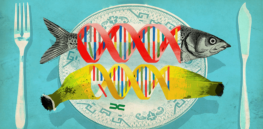
Viewpoint: Should genetically edited food be on your dinner plate? A synthetic biologist and a sociologist say ‘yes’
Nicola Patron: Oil from soybeans gene-edited to produce a “high oleic” oil with no trans fats and less saturated fat is already ...

Dismissing sizable sustainability benefits, organic industry petitions USDA to block hydroponics from being classified as organic
Organic food producers, which eschew synthetic pesticides for "natural" ones, regularly market their products as more sustainable than conventional offerings, but they're not ...

Managed honeybee and bumble bee colonies in the US are up as much as 85%, a 60 year high, as independent researchers challenge bee apocalypse narrative
The Western honey bee (Apis mellifera) is amongst the best-monitored insects but the state of other managed pollinators is less well ...

Kiel University study: Double disaster — Europe’s Green Deal Farm to Fork plan would undermine environmental sustainability goals with no significant economic payoff
A significant reduction in agricultural production in the European Union with full implementation of the Farm to Fork Strategy of ...

Genetically engineered trees offer dual sustainability benefits: Carbon sequestration boosts and the ability to grow more trees on less land
The startup Living Carbon claims their fast-growing genetically engineered (GE) trees could increase forest carbon capture by 1.4-2 gigatons per year, ...
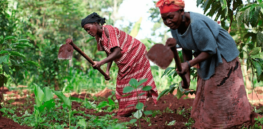
Uganda’s costly dithering on GMOs
Uganda has a very extensive research and confined field-testing program for GMO crops that include disease-resistant potatoes, cassava and bananas, ...
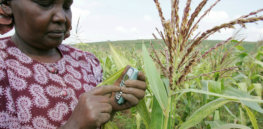
Kenya opens the door to GMO cultivation
On December 19, 2019, the Kenyan government approved the cultivation of GMO cotton after five years of field trials and ...
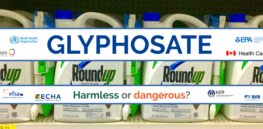
Infographic: Does consuming micro-traces of glyphosate (aka Roundup) in our food cause cancer? All 20 global regulatory and chemical oversight agencies say ‘no’, while anti-biotech activists spin the data
Glyphosate weedkiller, once marketed exclusively under the name RoundUp by its originator Monsanto, is the world's most popular herbicide, used ...

Instituted to protect our food, the ‘precautionary principle’ often perpetuates fears and does more harm than good
The origin of the term “better safe than sorry” goes back to a book written in 1837, Rory O’More. The rest ...
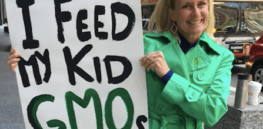
Viewpoint: Anti-science GMO rejectionists won’t disappear anytime soon but the past year has demonstrated their increasing irrelevance
Just six years ago, America was engaged in a ferocious debate over GMO food labels; March Against Monsanto could assemble thousands ...
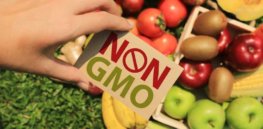
Viewpoint: Let’s stop the fear mongering in food labeling
Between his former and current terms as U.S. Secretary of Agriculture, Tom Vilsack in a 2019 opinion piece called for a ...
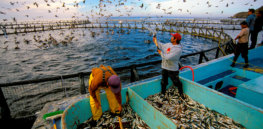
How can we protect wild salmon from interbreeding with farmed salmon? CRISPR gene editing is a solution
Upon an otherwise unruly landscape of choppy sea and craggy peaks, the salmon farms that dot many of Norway’s remote ...
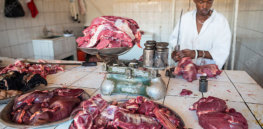
Reducing meat consumption to tackle climate change: What role will Africa play?
A burning issue in the world today is climate change. Across Africa, the effects are complex. They range from the ...
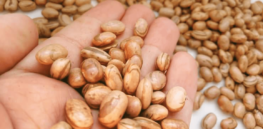
The story behind the 100% public GM bean reaching Brazilian plates
In some Brazilian supermarkets, it is already possible to buy a new genetically modified (GM) common bean, which bears the ...

Freezer burn wastes food. Now scientists are developing bio-based solutions to prevent recrystallization
Open the freezer door and there, way in the back, may be an old carton of ice cream growing spikes ...

Part 3: ‘Fallacious and wrongheaded’ — The Cartagena Protocol’s categorization of ‘living products’ of agricultural biotechnology as GMOs was a ‘nonsensical’ blunder that disrupted technological innovation and trade
Ten years after the coming into force of the Cartagena Protocol, its own supporters noted that effective implementation was fragmentary ...

Part 2: Viewpoint — Digging into the ‘prejudices’ that have plagued the Cartagena Protocol’s misguidance on international regulation of agricultural biotechnology
The Cartagena Protocol on Biosafety (Convention on Biological Diversity 2000), which was adopted in 2000 and entered into force in ...
Part 1: Viewpoint — ‘Misguided and counterproductive’: Why the world needs to scrap the Cartagena Safety Protocol that influences regulation and impedes global trade of GM seeds and plants
According to a long-time and widespread scientific consensus, agri-food biotechnology regulation should focus on the risks and benefits of each ...

Podcast: Are we on the edge of an ‘insect apocalypse?’ GLP Founder Jon Entine debunks this pervasive myth
Could we be on the edge of an insect apocalypse — one that results in 'ecological collapse that would break ...

Viewpoint: ‘Predatorts’ — How activist nonprofits create fear and seed science doubt, generate lawsuits, and distort public policy
Imagine you are a US tort lawyer wanting to extract as much honey from the pot as possible. What do ...
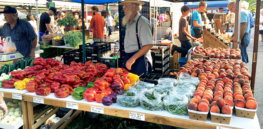
‘Local food cannot simply be equated with sustainable food’: Independent study challenges conventional wisdom of always ‘buying local’
If there's one thing everyone should know about science, it's this: what the evidence shows about a topic and what ...

Viewpoint: IARC — International Agency for Research on Cancer — tries to regroup after blunders on glyphosate and chemical evaluations undermine its former independent reputation
The International Agency for Research on Cancer (IARC) in France was once one of the most respected epidemiology groups in ...

GMO social media battleground: Scientists and farmers using activist tactics to push back on disinformation deluge
Social media has fundamentally changed how we communicate with each other. Much has been written about the negative consequences of ...

10 key facts about Golden Rice, a GMO that can save the lives and sight of millions of children
"This rice could save a million kids a year," read a famous Time magazine cover from July 2000. The report ...
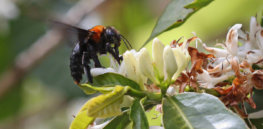
10% — not 75% — of crop yield is pollinator-dependent: Our World in Data charts raise doubts about claims that global food supply is imminently endangered by ‘disappearing’ insects
It’s unfortunate that the wildlife we care least about provides us with the most functional value. We favor the bears ...

Viewpoint: How proposed legislation billed to ‘save the bees’ will actually harm them — and the economy
The myth about endangered, disappearing honeybees lives on — with potentially dire implications. Rep. Earl Blumenauer, an Oregon Democrat, just ...

Wineries in California have been under siege for decades. There’s finally hope that grapevines can be saved from bacterial disease
In 1961, Adam Tolmach planted a five-acre vineyard on land he had inherited from his grandfather in the wine-growing region ...
