


Food & Ag Features
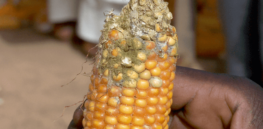
Viewpoint: GMOs offer protection against diseases, including cancer, by shielding us from dangerous aflatoxins
How European irony became an African tragedy ...
Viewpoint: It’s time to stop ‘worrying’ whether gene-edited plants and animals are GMOs—and set aside senseless regulations
Finding the best path starts with understanding what gene editing actually is -- and isn't ...

Podcast: How to build a coronavirus; alcohol doesn’t shrink your brain; and locusts threaten famine in East Africa
Kevin Folta and Cameron English break down four of the latest headlines from the world of genetics and biotech ...
Viewpoint: How New Zealand’s biotech ‘science deniers’ hinder effort to fight climate change with GMO ryegrass
Methane abatement efforts are important. Let's get the reporting right ...
How ‘speed breeding’ will help expand crop diversity to feed 10 billion people
These technologies could be game changers in the world of plant breeding ...

How the pigweed Palmer amaranth became a ‘super weed’—and what it tells us about preventing herbicide resistance
Bound up with the bad news of super weeds is good news for farmers -- a window of opportunity ...
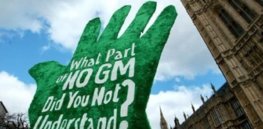
Viewpoint: Europe missed the GMO revolution. Sensible regulation could ensure they don’t miss out on CRISPR gene editing
The EU needs to take politics out of the GM approval process ...

Remember the questionable study claiming glyphosate boosts cancer risk 41%? Lead author reasserts her claim, EPA refutes it, and we take a second look
Sheppard and her co-authors are intent on favoring data that appears to support the existence of a risk from glyphosate ...
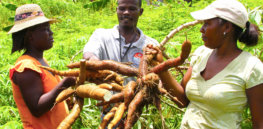
Viewpoint: We can sustainably feed 10 billion people. Here’s how CRISPR and GMO crops can help
If adopted widely, genetic engineering will bring us closer to meeting the EAT-Lancet dietary targets ...
Gene drives could revolutionize how we deal with pests—if the technology avoids the controversial fate of GMOs
In addition to research and laboratory ethics, gene drive proponents need to focus on public perception ...

Podcast: Tackling ethical questions about CRISPR with GLP’s groundbreaking Global Gene Editing Regulation Tracker and Index
To what degree are nations deploying these revolutionary new tools? ...

Viewpoint: Glyphosate causes kidney disease? Debunking anti-GMO activist Vandana Shiva’s herbicide junk science
Seeing Vandana Shiva hosted at the University of California made me embarrassed to be a UC parent, alum, and faculty ...
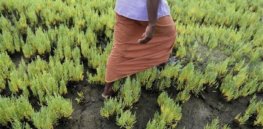
Salt tolerant plants are on the horizon – and critical to address the looming crisis of a shortage of arable farm land
An important study brings us one step closer to cultivating crops in previously infertile soil ...

Viewpoint: French court ruling that already-approved mutagenized crops should be heavily restricted as GMOs reaffirms need to revamp Europe’s antiquated biotech regulations
This judgment raises serious and important questions ...

Viewpoint: ‘Dicamba Debacle’ stirs questions about the future shape of ‘industrial, intensive agriculture’
The dicamba debacle gives a chance to answer key questions about industrial agriculture with rare specificity ...

Viewpoint: Dicamba debacle trial forces a reevaluation: Was Monsanto a ‘bonafide bad actor’?
The toll on farmers is infuriating enough. But there could be widespread damage to the environment as well ...

FDA defends CRISPR-edited animal rules likely to block most uses: Is the agency trying to avoid litigation from anti-GMO groups?
"How can the presence of one identifiable variant justify the costs and delays of mandatory FDA oversight?" ...

Viewpoint: Biotechnology could save our favorite banana. Will anti-GMO activists stand in the way?
Anti-GMO intimidation could plunge banana-producing communities into poverty ...

With Roundup-cancer settlement looming, activists revive conspiracy claim that glyphosate surfactants threaten human health
The narrative of underdog cancer victims unmasking corporate villains isn't backed up by the evidence ...

Viewpoint: Almond growers driving bees to ‘extinction’? Challenging the latest pollinator decline scare story
The policies of greens are a greater threat to wildlife than high-yield agriculture ...

‘Monsanto on the attack’: How an aggressive defense contributed to the ‘dicamba debacle’
It's pretty clear that the ag industry has a problem. But what is the nature of it? ...

Farmer vs farmer: After tens of thousands of acres of crop damage, what are we to make of the ‘dicamba debacle’?
For dicamba, even more than most ag issues in recent history, the devil is in the details ...

The real sustainability revolution in farming rests with CRISPR and other New Breeding Techniques. Why are organic farmers blocked from using them?
New breeding techniques allow increased precision and much shorter time periods than conventional breeding ...

Viewpoint: “On the wrong side of humanity and science”, Greenpeace Philippines launches last gasp effort to derail GMO Golden Rice approval
The time has come for all parties to embrace this humanitarian innovation ...

GLP’s Global Gene Editing Regulation Tracker and Index: Will politicians embrace innovation or fear?
We hope this gene editing regulation tracker and index will encourage science-based scrutiny and advocacy ...

Plant-based meat critics say it’s not as healthy or sustainable as proponents claim. Let’s look at the nutrition and ecological science.
Education is not enough. Taste, cost, and convenience play dominant roles in shaping food choices ...

GMO sustainability advantage? Glyphosate spurs no-till farming, preserving soil carbon
Skeptics of GMOs decry the growing practice of no-till farming and its connection to herbicide-tolerant crops. Yet, agronomists say good ...
