


Genetic Literacy Project

Werner syndrome and the curious case of the Japanese man who is aging too fast
Nobuaki Nagashima has Werner syndrome, which causes his body to age at super speed. This condition is teaching us more ...

Viewpoint: Non-GMO, organic, gluten free? Demystifying misleading food labels
Take a look at our label guide to know when a label is meaningful and when you’re just throwing away ...

Quest to reduce greenhouse gases needs modern farming techniques, including use of GMOs, not organics, research shows
Modern farming has "uncoupled" itself from greenhouse gas output -- using new technologies, including genetic engineering, to boost crop yields ...

Knowledge without context: Why consumer genetic tests can spark needless fears, behavioral changes
Direct-to-consumer genetic tests are growing in popularity. They can tell us a lot about our personal building blocks. But there ...

Podcast: Does the Nobel Prize overlook important scientific achievements?
Nobel prizes are often seen as the pinnacle of scientific achievement. But are they a fair way of recognizing contributions ...

Podcast: AI-powered nutrition devices could cut exploding obesity rates. Will FDA rules keep them off the market?
Medical devices powered by artificial intelligence could help overweight people customize diets based on their biomarkers ...

Viewpoint: There will be no crop biotech revolution unless scientists, consumers learn to talk to each other
It is imperative that scientists bridge the gap and enable an open, global dialogue so that all are informed ...

If humans never evolved, would Earth still have intelligent life? This evidence suggests the answer is yes
The paths available to evolving organisms are far from limitless ...

Podcast: Battle to conquer HIV with biotechnology is on. How much progress have we made?
The Human Immunodeficiency Virus (HIV) is to blame for one of the worst public health crises the world has ever ...

‘Better’ gut bacteria probably won’t turn you into an elite athlete. But could it give you a performance boost?
Athletes getting an edge from a probiotic boost may be more realistic than once thought ...

Viewpoint: Organic farmer’s New York Times opinion piece perpetuates ‘fantasy’ of small growers feeding the world
Barber’s perspective on GM and patented seeds follow the party line of the organic industry ...

Diet and dementia: Is fast food really ‘eating away your brain’?
Nutrition studies on Alzheimer's conclude that diet might affect brain health. Beware of media spins that claim more ...

EPA weighs in on sulfoxaflor: Genetic Literacy Project Q&A on controversial decision to lift restrictions on alleged ‘bee-killing’ pesticide
The FDA replied to our questions with a detailed defense of its decision to lift restrictions on sulfoxaflor ...

90% of Europeans fear biotech crops? New survey busts the popular anti-GMO myth
A special Eurobarometer survey report on food safety was published [in June]. It shows once again that the regularly promoted ...

Viewpoint: There’s a reason we haven’t cured cancer. It has nothing to do with ‘leadership, motivation, or funding’
Although fighting cancer is an admirable cause, there are many things standing in our way of a universal cure, such ...

Viewpoint: Why CRISPR-edited crops should be allowed in organic agriculture
A University of California, Berkeley professor stands at the front of the room, delivering her invited talk about the potential ...

Viewpoint: FDA ‘accelerated’ drug approvals offer relief for critically ill patients. But more could be done.
Desperately-needed therapies often warrant early approvals ...

Long-term partnership or quickie hookup: Can evolution explain why a woman chooses one over the other?
For women, a short-term fling may involve a quest for good genes or just a good time. It’s a puzzle ...
The rise, fall and resurrection of Russian seed bank pioneer Nikolai Vavilov
Would all this be cast aside, he wondered, his reputation disgraced? Or would the good work be rediscovered, like the ...
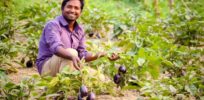
Podcast: Bt eggplant in Bangladesh—the GMO crop that boosted farmer profits 6-fold
Subsistence farmers in Bangladesh make a living by growing, harvesting and selling brinjal, or the fruit westerners know as eggplant ...
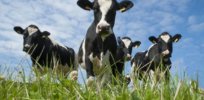
Podcast: Land use for animal agriculture has declined 140 million hectares since 2000. Can we keep this ‘livestock revolution’ alive?
We're often told raising animals for food takes a devastating toll on the environment, consuming ever more natural resources, hastening ...

What’s the most sustainable, affordable and nutritious sugar: Boutique imported unrefined whole cane v. domestic sugar cane v. sugar beet?
A drive toward The Everglades down US 98 between Yeehaw Junction and Belle Glade, FL takes you around the east ...

How microbiome research promises to solve blood shortages, halt food allergies and give us better skin
A microbiome isn’t just something to maintain or optimize – it can also be a crystal ball ...

Environmental media, advocacy groups in uproar after EPA grants long-term approval for alleged ‘bee-killing’ pesticide sulfoxaflor. Here’s what the science says
This discussion needs to shift from politics to science and the law ...

Viewpoint: How the ‘Food Justice’ movement reinforces inequality while doing little to improve health outcomes
It’s not clear what concept of justice this activism actually serves ...

Common treatment for prostate cancer may increase risk of Alzheimer’s, dementia
In this case, “do no harm” is more complicated than we had anticipated ...

(Practically) no one is anti-science, and how that can help us talk about GMOs
Keith Kloor, science blogger at Discover, has sparked an intriguing debate about the use of the term "anti-science" to describe ...

How market forces, self-regulation and GMO crops are making fish farming more sustainable
More sustainable aquaculture and better-managed fisheries are increasingly actionable for consumers ...
